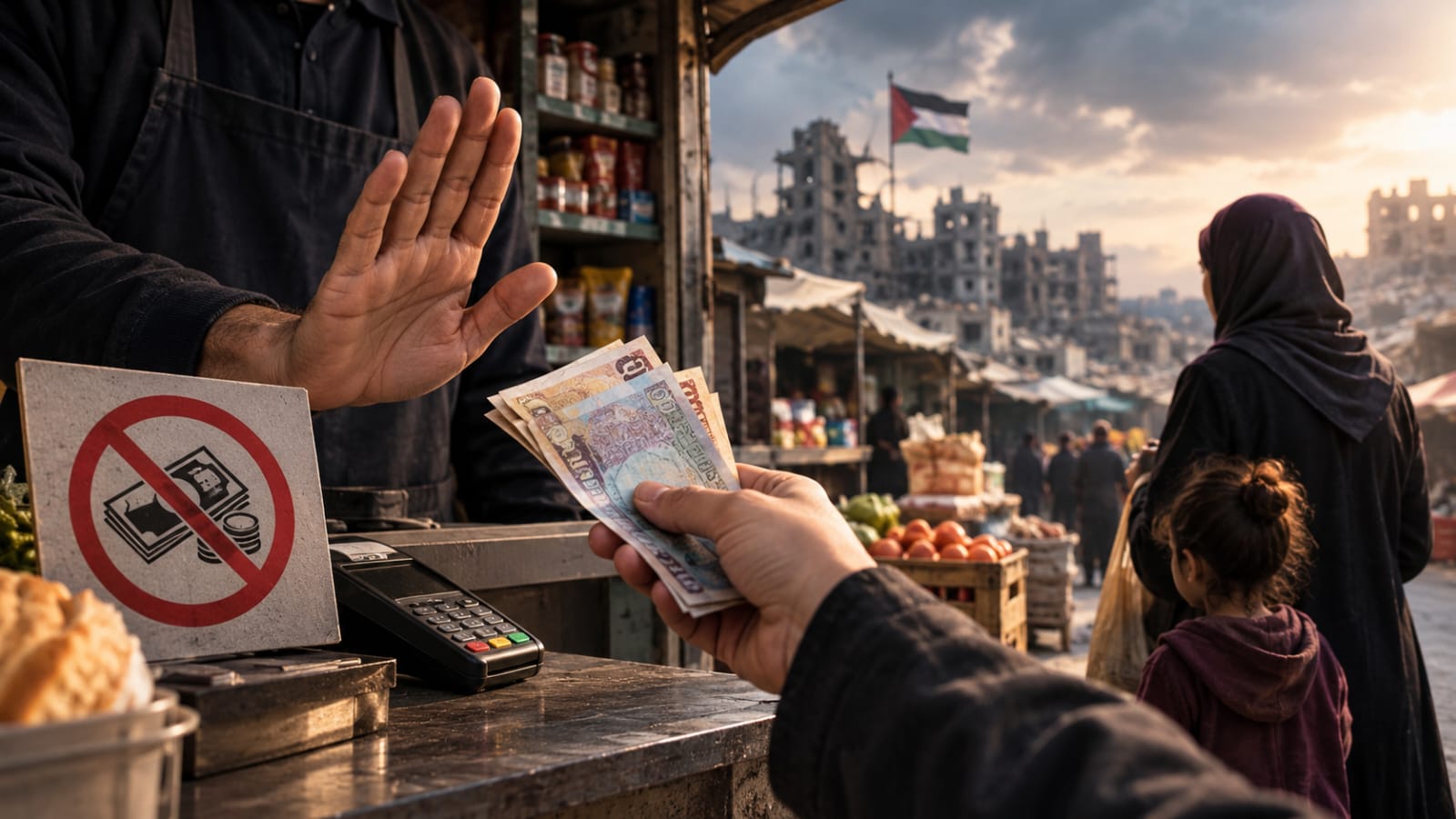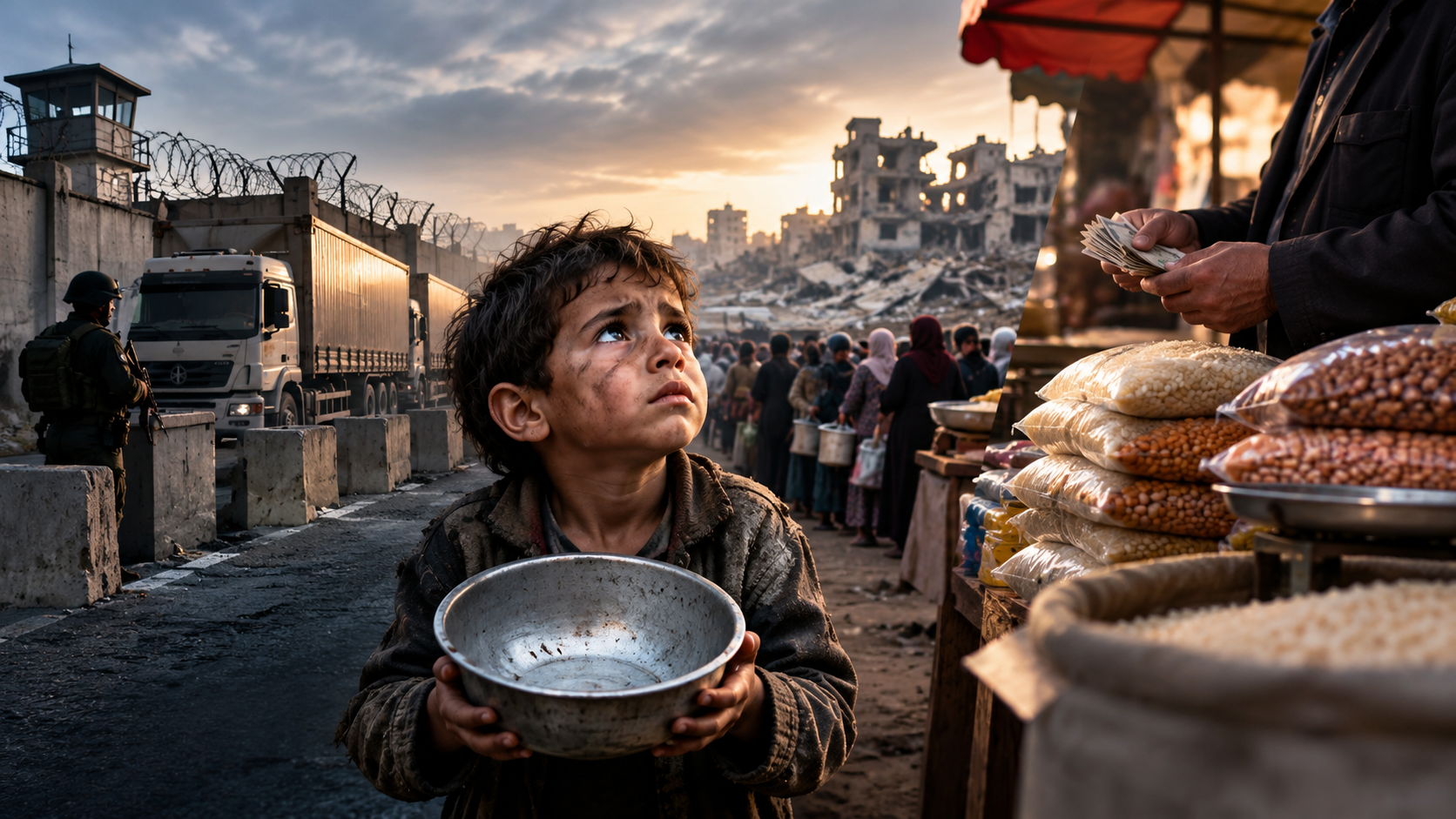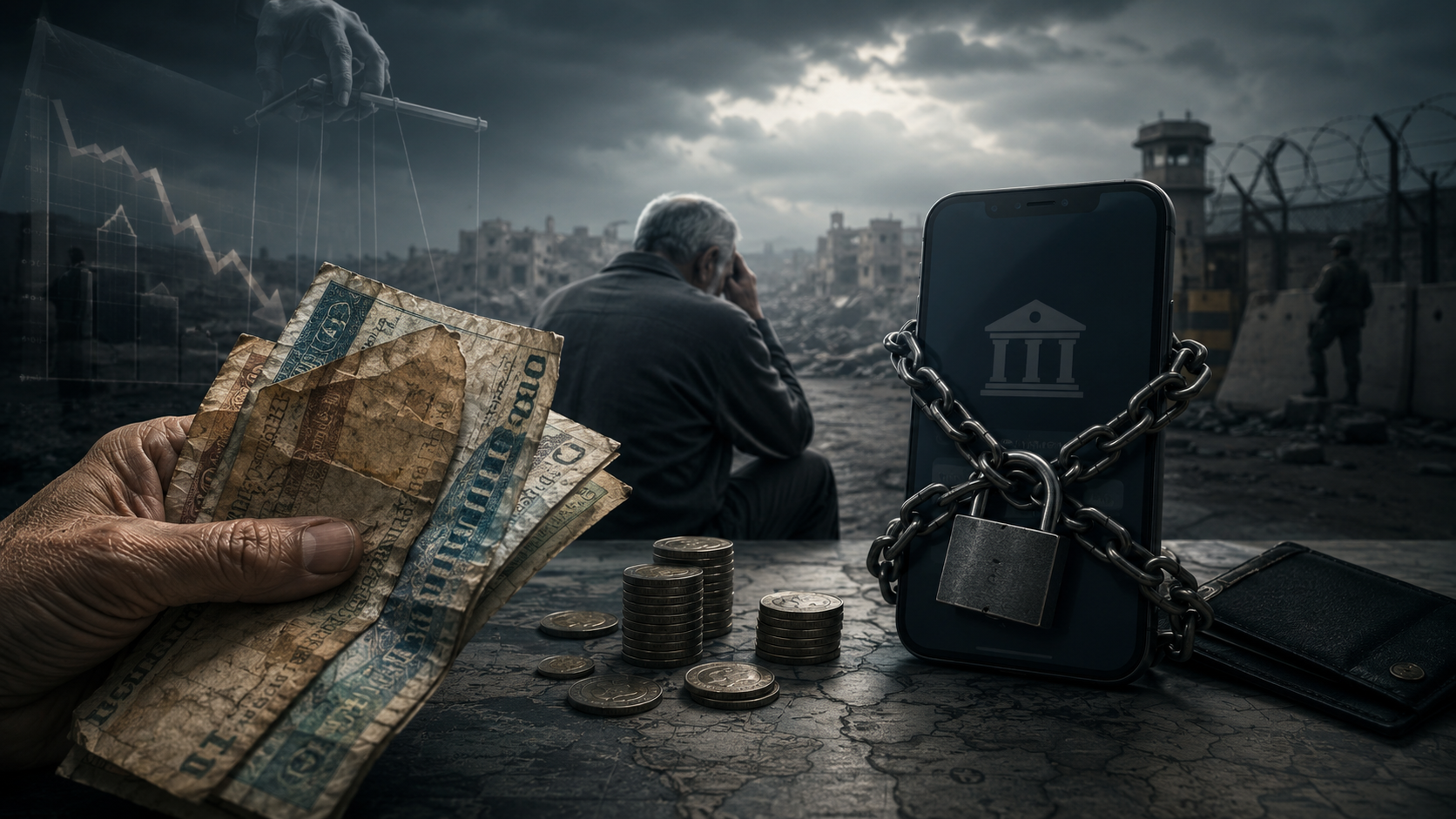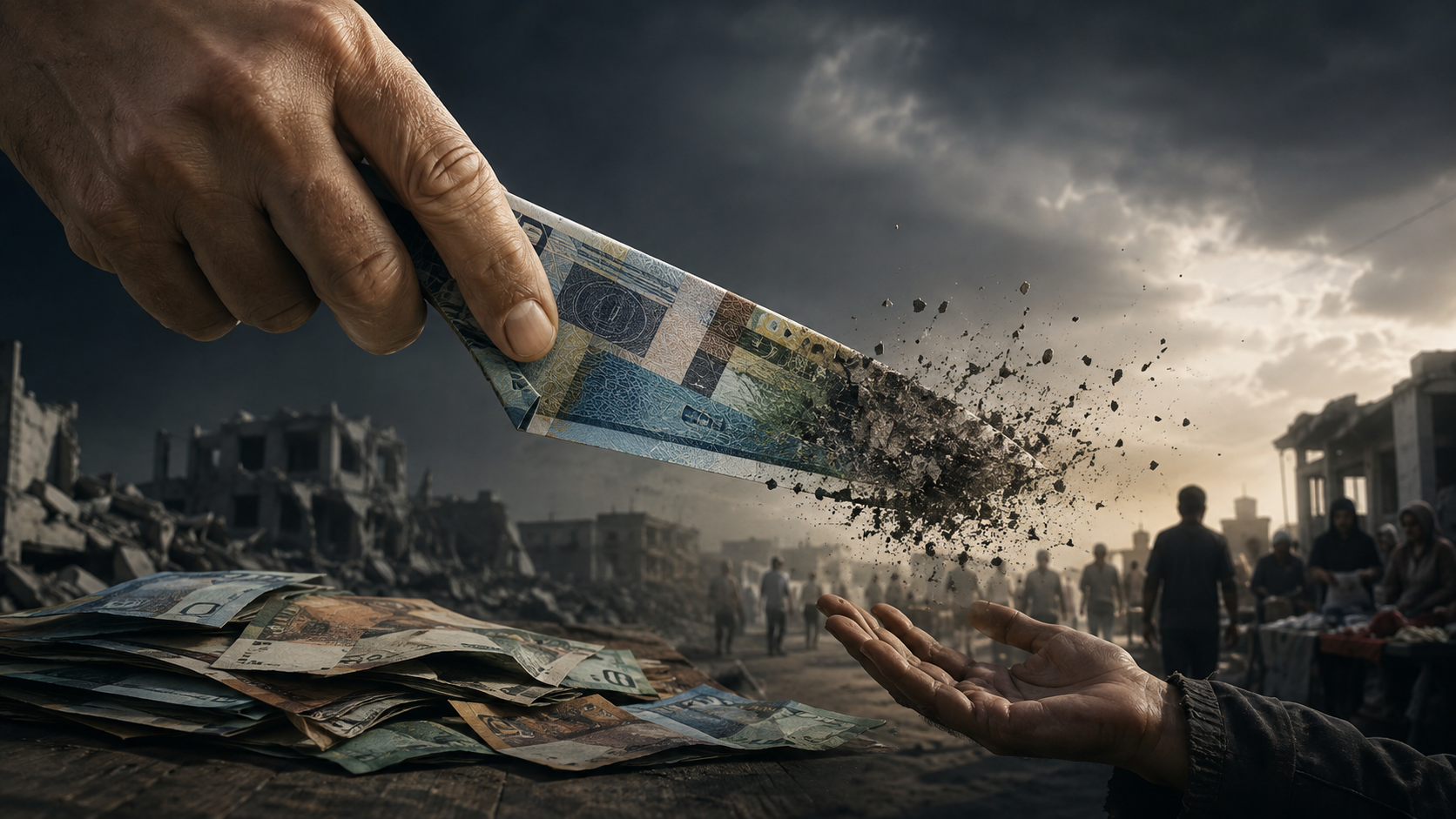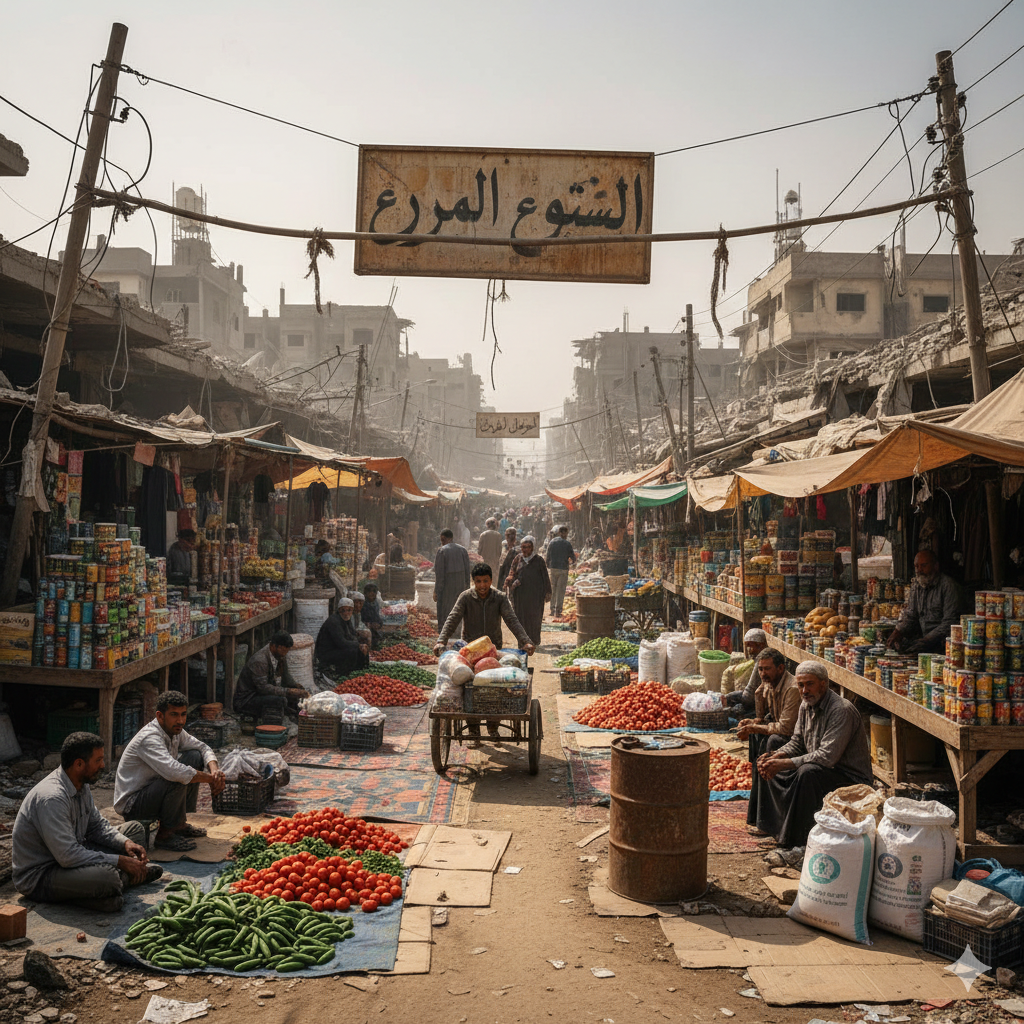
Under normal circumstances, prices are determined by the interaction of supply and demand. But in Gaza, the situation is entirely different. Supply is not governed by people's needs, but by what is allowed to enter, when it enters, and in what quantities. This is the simple and painful truth.
What is happening is not an ordinary shortage, but a clear policy of controlled trickle entry. Goods enter in limited and intermittent quantities, leaving the market in a constant state of instability. Traders do not know when their next shipment will arrive, and consumers do not know whether a product will be available tomorrow. The result? Some stockpile goods in anticipation of rising prices, while others rush to buy out of fear. Thus, the actual shortage turns into an even greater crisis, driven by expectations alone.
The price cycle is familiar and repetitive: scarcity, followed by fears, then speculation and hoarding, followed by a sharp surge in prices. When new quantities enter the market, prices may fall slightly, but they rarely return to their previous levels. They remain high because of persistent fears, the rising cost of new stock, and weak competition. Here, prices rise quickly and fall slowly.
Nor can everything be attributed to the occupation alone. Some traders face genuine risks and rising costs, while others mercilessly exploit scarcity: monopolizing goods, delaying their release onto the market, inflating transportation and coordination invoices, and selling to humanitarian organizations at excessively high prices. The involvement of multiple intermediaries widens the gap between the actual cost and the selling price, particularly in the absence of effective oversight.
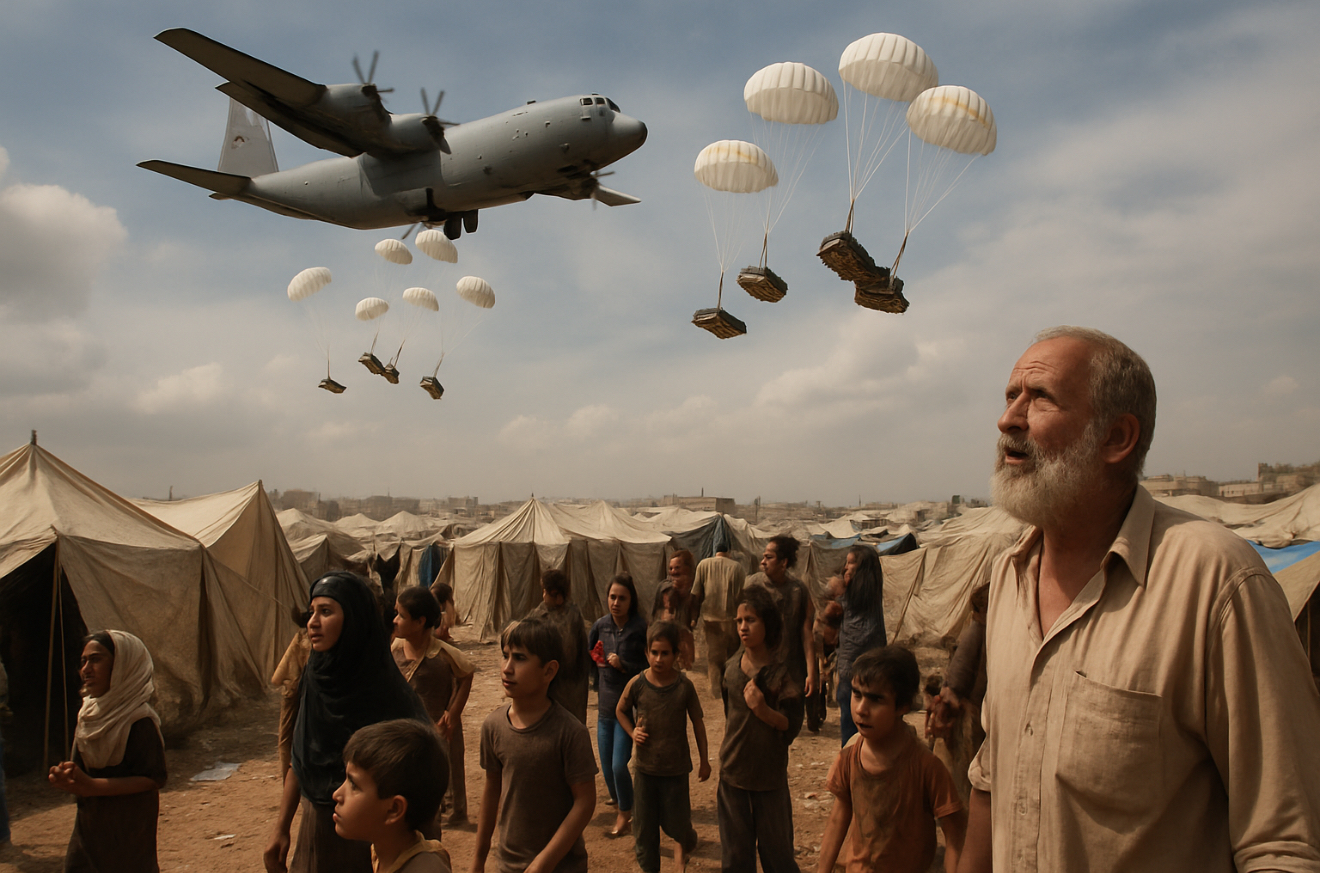
One particularly painful phenomenon is the resale of some humanitarian aid in the markets. Here, we must be precise: a citizen selling part of the assistance they received because they need cash to buy something else is one thing. A trader purchasing aid in order to resell it for profit is something entirely different: a direct exploitation of humanitarian relief efforts.
The heaviest price is paid by those who have no stockpiles and no sufficient income. Most of their income goes toward food, at the expense of medicine, education, and everything else. Families are no longer planning for the future; they are simply trying to meet the needs of the day.
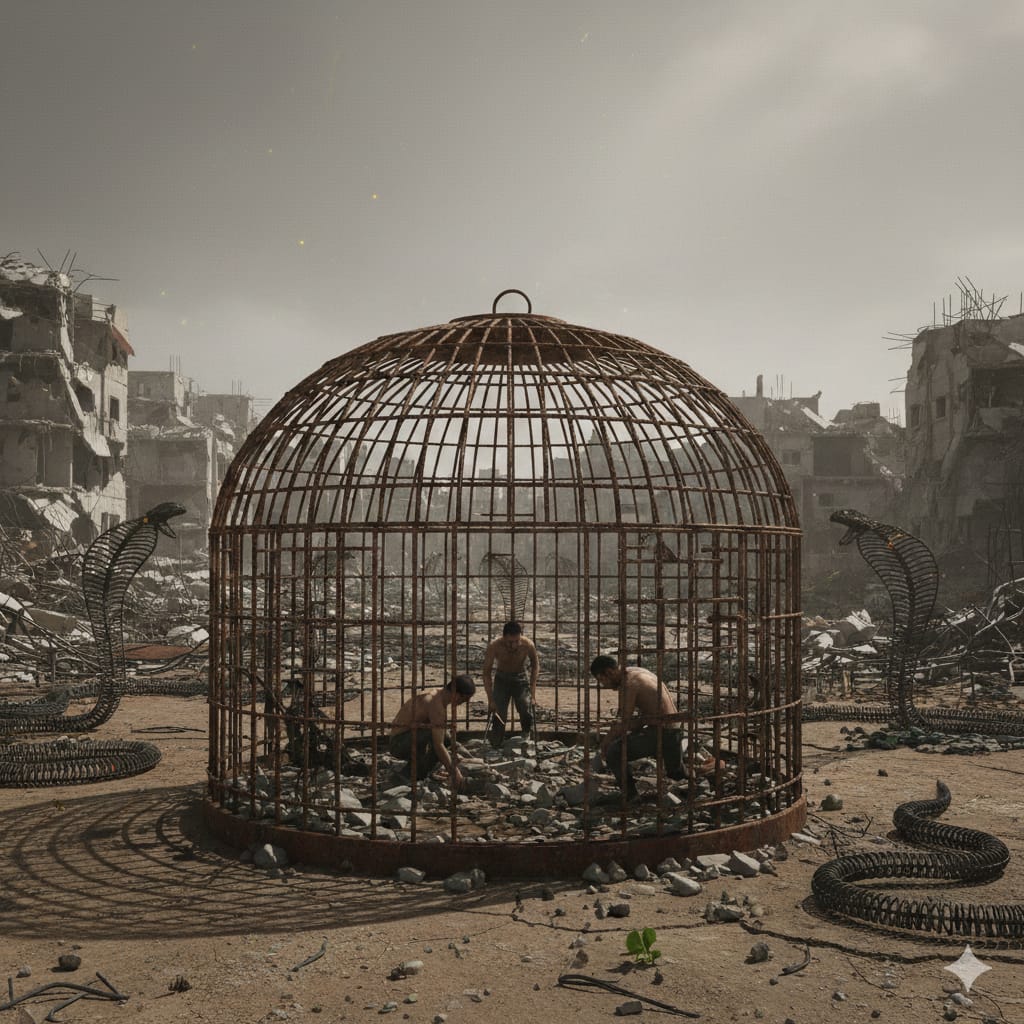
More dangerous still, this constant pressure does not target people's pockets alone; it targets their spirit. When a person is unable to provide their family with the most basic necessities, and each day becomes a struggle to secure a meal, frustration begins to creep in. The question gradually changes from "How do we endure?" to "Why should we endure?" And here lies one of the deeper objectives: exhausting society and undermining the very idea of resilience, until migration becomes, for some people, a way out of a reality that has become unbearable.
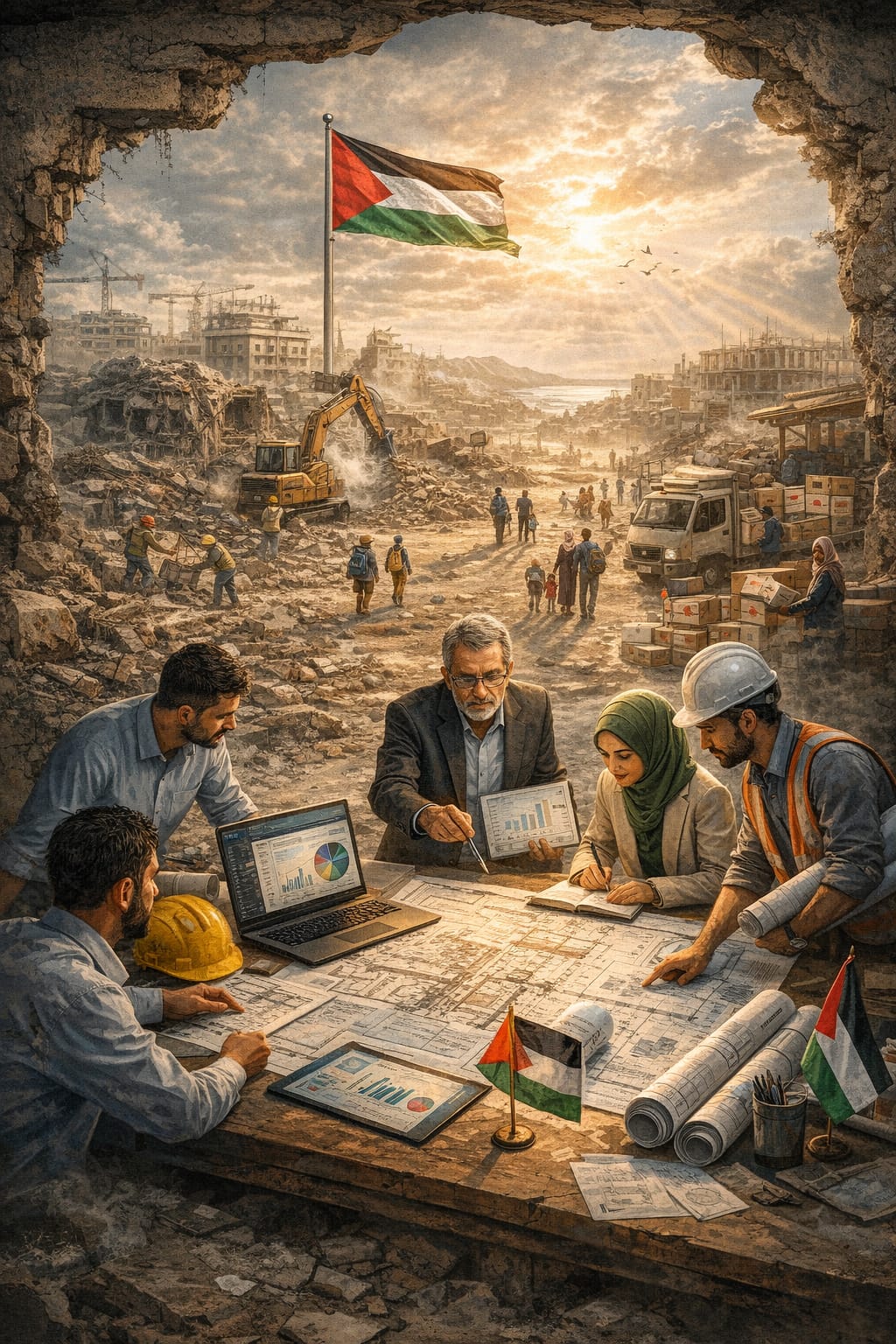
A genuine response cannot be achieved through words alone. It requires the entry of sufficient and regular quantities of goods, genuine documentation of quantities and prices, a market observatory to monitor developments and expose imbalances, and community oversight to hold those responsible for monopolization and manipulation accountable. Humanitarian organizations must coordinate their purchases and exchange price information so that donations do not become additional fuel for rising prices. As for consumers, they should try, as far as possible, to avoid panic-driven stockpiling and boycott those goods that can be boycotted when they are being exploited, without placing the sole responsibility for confronting monopolies of essential goods on consumers themselves.
In Gaza, price is no longer just a number. It is a reflection of the siege, a mirror of market distortions, and a testimony to what happens when people's needs become an opportunity for profit, and pressure on their daily bread becomes a means of undermining their will to survive.