Amidst the Ongoing Israeli Aggression on the Gaza Strip Since October 7, 2023
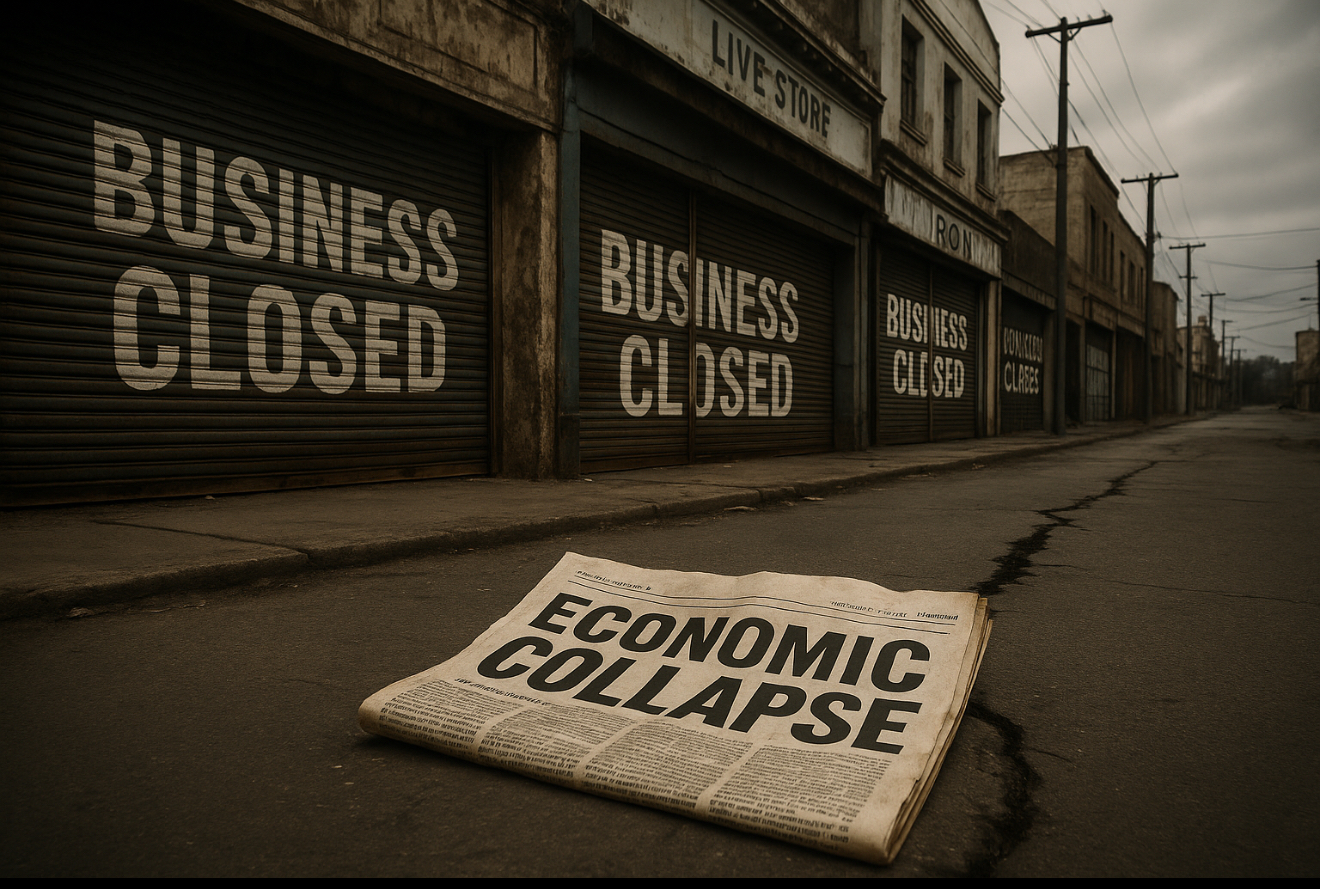
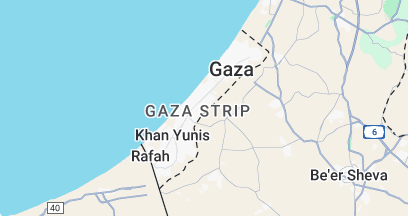
Amidst the ongoing Israeli aggression on the Gaza Strip since October 7, 2023, local markets have witnessed unprecedented price surges, reflecting the scale of political and economic turmoil endured by the population. This necessitates an analytical study to monitor pricing dynamics under wartime conditions and to propose a preliminary theoretical framework for understanding price volatility in a context of chronic conflict.
General Introduction: A Fragile Economy Before the War
Prior to the outbreak of the recent war, Gaza’s economy already suffered from profound fragility due to a 17-year blockade that dismantled economic structures, exacerbated unemployment and poverty rates, and entrenched overreliance on international aid. Markets operated at minimal equilibrium, plagued by chronic distortions in supply chains, a lack of genuine competition, and the collapse of productive sectors such as agriculture and industry.
In this already fragile context, the war exacerbated the crisis, as distribution networks completely collapsed, goods became scarce, supply dwindled, and demand was destabilized by mass displacement, insecurity, and a loss of strategic vision.
Despite the severity of the aggression, part of the market’s collapse stems from the weak performance of local governing bodies, inadequate emergency economic planning, and the delayed, inflexible responses of international institutions ill-suited to the conflict’s unique dynamics.
Study Objectives
The study aimed to achieve the following:
1. Analyze the relationship between the political-military environment and local market performance.
2. Identify unconventional patterns in price fluctuations.
3. Examine the role of non-economic factors in shaping price bubbles<sup>1</sup>.
4. Assess the psychological and social impact of consumer behavior during wartime.
5. Propose a preliminary theoretical model for pricing mechanisms under armed conflicts.
<sup>1</sup> Price Bubbles: Economic phenomena where prices rise irrationally beyond intrinsic values, often driven by speculation or collective panic.
Key Findings
- Decoupling of the market from traditional economic mechanisms: Prices no longer reflected supply and demand alone but were driven by fear, rumors, and security factors.
- Collective panic behavior: Led to price doubling within hours, despite the availability of certain goods.
- Collapse of governmental oversight mechanisms: Due to infrastructure targeting, enabling chaotic pricing practices.
- Irrational pricing decisions by traders: Stemming from a lack of foresight and preemptive responses to collapse.
- Devastating impact on vulnerable groups: Particularly displaced persons and low-income households.
Recommendations
1. Design a flexible emergency pricing system capable of rapid intervention.
2. Develop digital market monitoring tools (e.g., mobile applications).
3. Launch awareness campaigns for traders and consumers on crisis responsibility.
4. Establish an early warning network to detect sudden price spikes.
5. Leverage findings to advance a new scientific framework for pricing during wars and crises.
Conclusion
The study reveals a significant knowledge gap in behavioral economics during humanitarian crises, underscoring the need for more realistic theories tailored to critical contexts like Gaza. Here, military factors intersect with economic fragility, weak governance, and international inertia, demanding interdisciplinary solutions grounded in both academic rigor and on-the-ground realities.