Certainly. Here’s the academic-style English translation of your text:
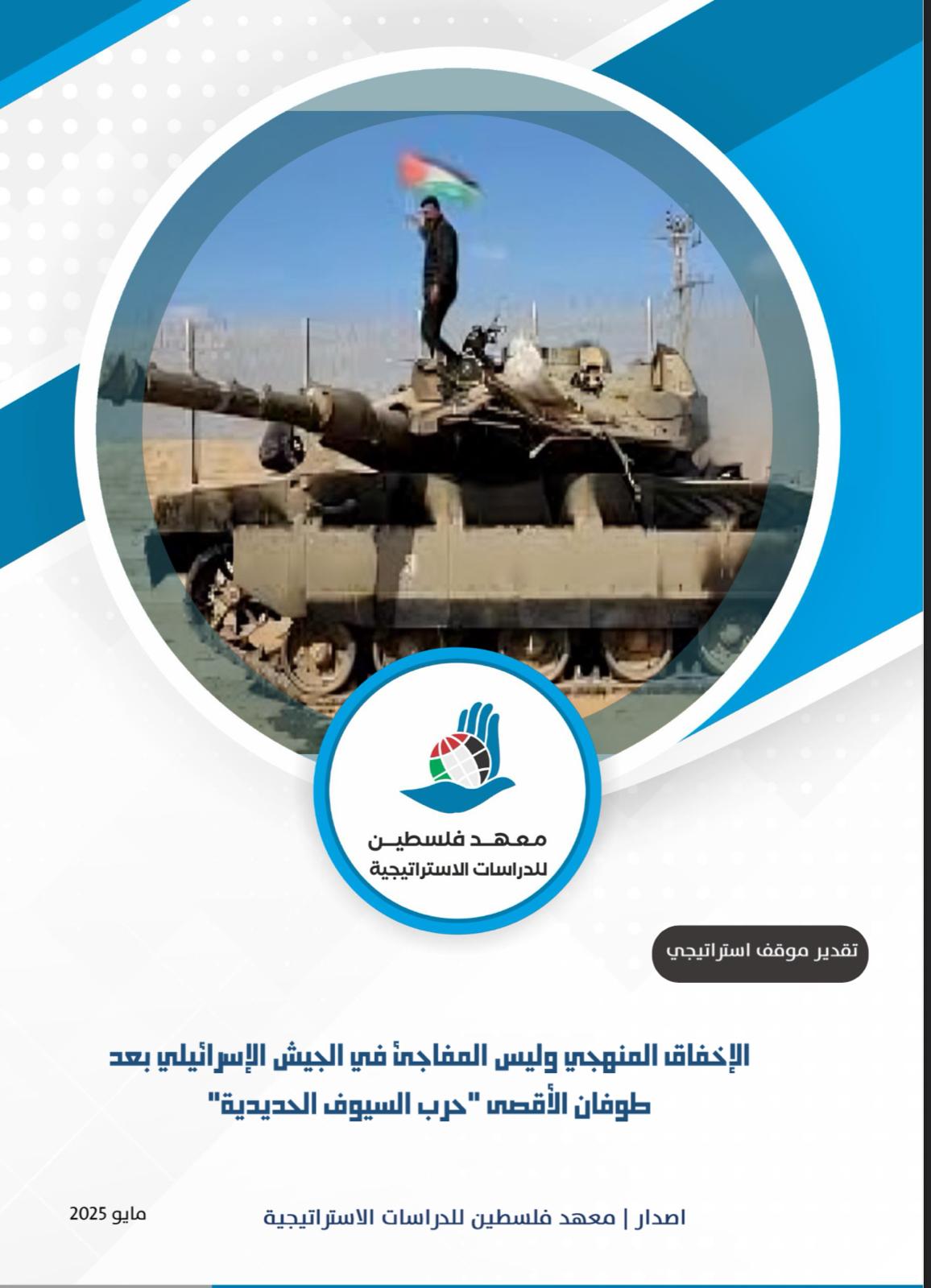
The Systemic — Not Sudden — Failure of the Israeli Army after the “Swords of Iron” War
Following the “Al-Aqsa Flood” operation (October 2023), Israeli investigations revealed deep structural crises within the Israeli army. These failures were not sudden but rather the result of decades of accumulated neglect and strategic downsizing:
• Severe ammunition shortages, with reliance on outdated stockpiles or imports from countries like India.
• Training collapse: Reserve units are trained only once every three years, and mainly through computer simulations.
• Structural failures in the Israeli army:
• Command chaos: Military objectives shifted from “crushing Hamas” to a “prisoner exchange deal” without a coherent strategy.
• Logistical incapacity: Tanks were deployed to battle without fuel or essential spare parts.
Future Scenarios for Israel:
1. Partial Recovery by 2030: Limited capacity for small-scale wars like Gaza, but unable to sustain a full-scale war.
2. Functional Collapse by 2035: Driven by political corruption and total dependency on U.S. support.
3. Sudden Regional War: The outbreak of conflict with Hezbollah or Iran before the completion of military reforms.
Strategic Opportunities for Palestinians:
1. Strengthening Asymmetric Deterrence:
• Intensifying high-impact operations that exploit the Israeli army’s weaknesses (e.g., ammunition shortages).
• Turning the conflict into a prolonged war of attrition to exhaust Israel’s economy and public morale.
2. Winning the Diplomatic Battle:
• Exposing the “myth of the invincible army” through international reports highlighting Israeli failures.
• Pressuring Western states to reconsider their support for Israel, especially in the UN and the EU.
3. Unifying the Domestic Front:
• Ending the Palestinian political division and building a unified resistance strategy between the West Bank and Gaza.
• Enhancing social and economic solidarity to bolster the resilience of the Palestinian people.
4. Investing in Digital Warfare:
• Developing digital media tools to globally disseminate the Palestinian narrative and counter Israeli propaganda.
Practical Recommendations for Palestinian Leadership:
• Smart operations: Target Israeli logistical and military vulnerabilities.
• Regional alliances: Strengthen ties with Iran, Hezbollah, and pro-resistance forces.
• Grassroots diplomacy: Organize international advocacy campaigns to expose Palestinian suffering and occupation violations.
• Preparation for the next phase: Plan for the post-war stage by building international support networks and training a new generation of cadres.
To read the full paper, download the attached files.