Between the failure of conventional military power, deterrence calculations, and the risks of regional conflagration
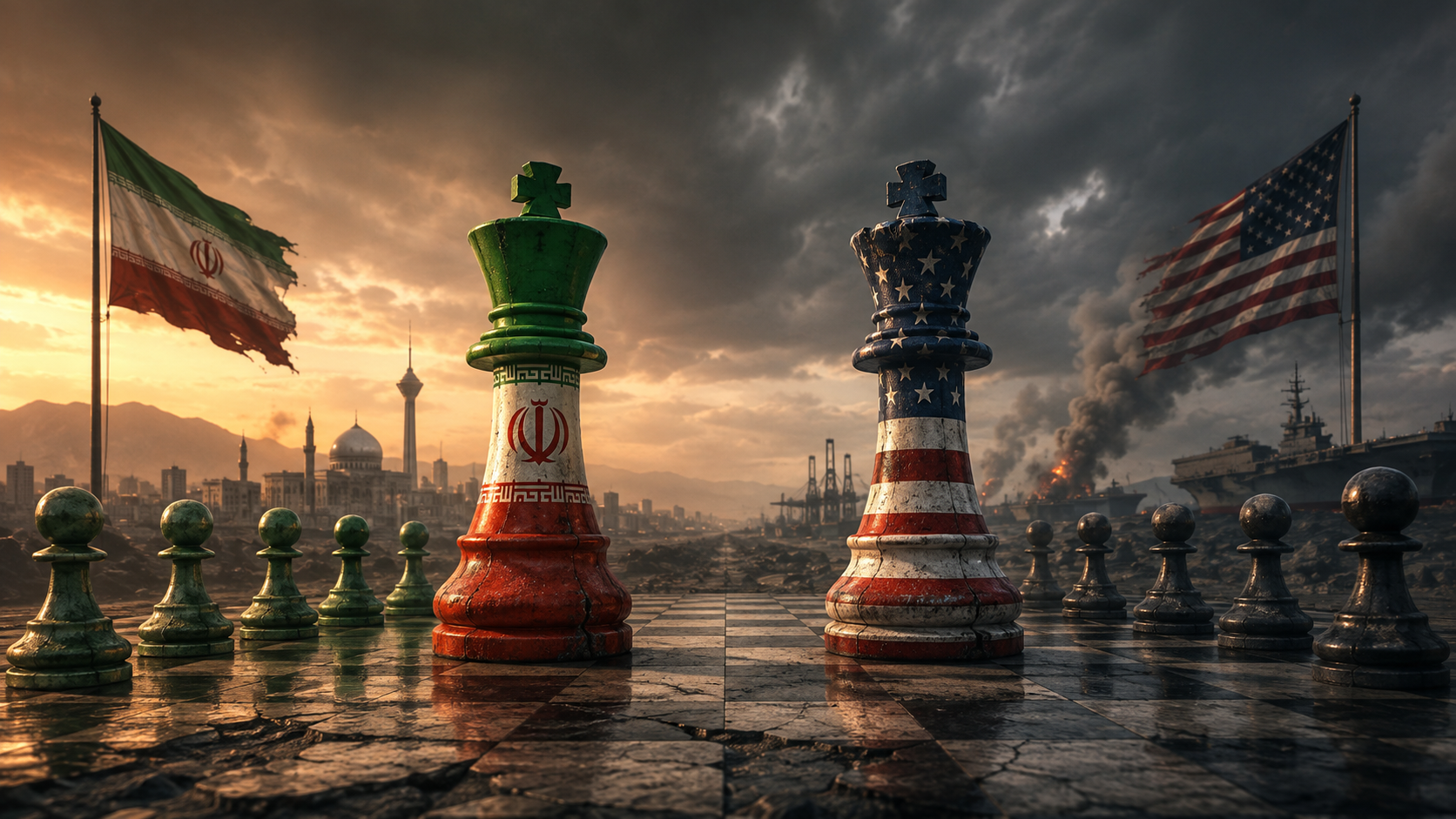
In a careful reading of the trajectories of the US-Iranian confrontation, a hypothesis is emerging that is no longer confined to the realms of political imagination or hypothetical military scenarios. Rather, it has begun to find its way into some American analyses and media platforms: the possibility that Washington could move from the use of conventional military force to contemplating nuclear weapons, even if only in their tactical form. Although Donald Trump has ruled out this option in his public statements, the question that deserves closer examination is not whether the United States wants to use nuclear weapons, but what might drive the Trump administration to consider them if its confrontation with Iran reaches a dead end.
Perhaps the first point to bear in mind is that wars are not always measured by the volume of firepower employed, but by the ability of military force to achieve its political objectives. Washington may possess the world's largest military arsenal and be capable of delivering devastating strikes, yet it does not necessarily have a guarantee of achieving the decisive outcome it seeks. This is the dilemma the United States may face with Iran, where nuclear and military facilities are spread across vast geographical areas, and where heavily fortified and deeply buried installations make their complete destruction an extremely complex undertaking.
In this context, three American positions merit attention, as they have sparked debate over the possibility of resorting to the nuclear option.
The first is an analysis published by the American magazine The Nation, which argued that Trump, if he found himself trapped in a war from which it would be difficult to acknowledge failure or withdraw without securing gains, might consider using a tactical nuclear weapon to target deeply fortified Iranian facilities, foremost among them the "Pickaxe Mountain" site. The danger of this argument lies in its linking of the failure of conventional strikes to the possibility of bringing tactical nuclear weapons into military calculations, although this does not mean that an American operational decision to this effect exists.
The second position is reflected in statements by former US Representative Marjorie Taylor Greene, who alleged that the US administration had discussed the possibility of using nuclear weapons against Iran during strategic meetings. The White House denied these allegations. Although there is insufficient evidence to substantiate these claims, their emergence reflects the widening scope of political and media debate over the limits of American escalation, particularly amid the belief that some fortified Iranian facilities may prove resistant to even the most destructive conventional weapons.
The third position comes from American media personality Tucker Carlson, whose post sparked widespread controversy over the possibility that the Trump administration might resort to the nuclear option in its confrontation with Iran. The significance of these positions, despite their differing nature, sources, and degrees of credibility, lies in the fact that they reveal concern within the American debate that a war, if it spirals out of control, could cross the traditional boundaries of conflict.
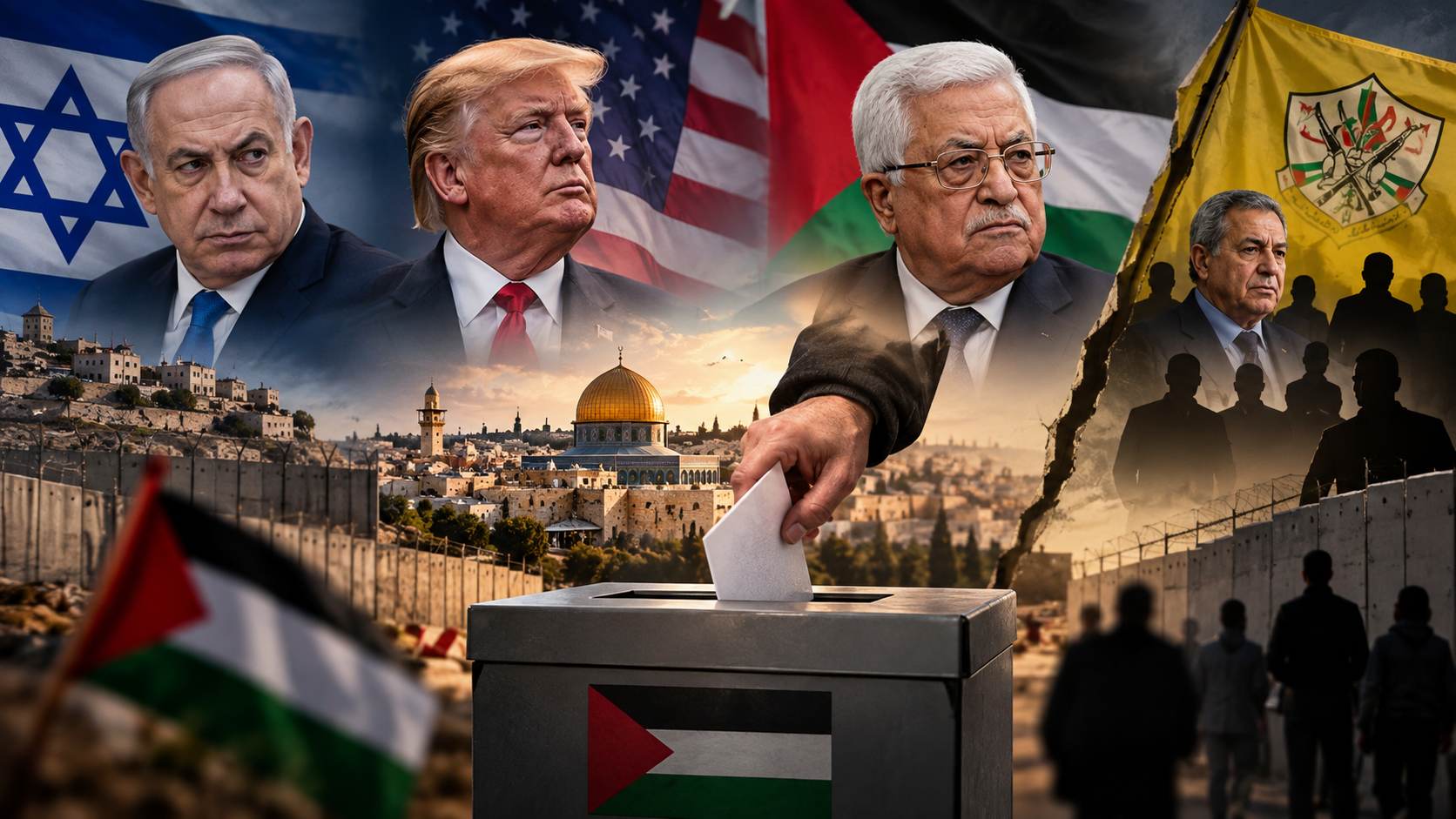
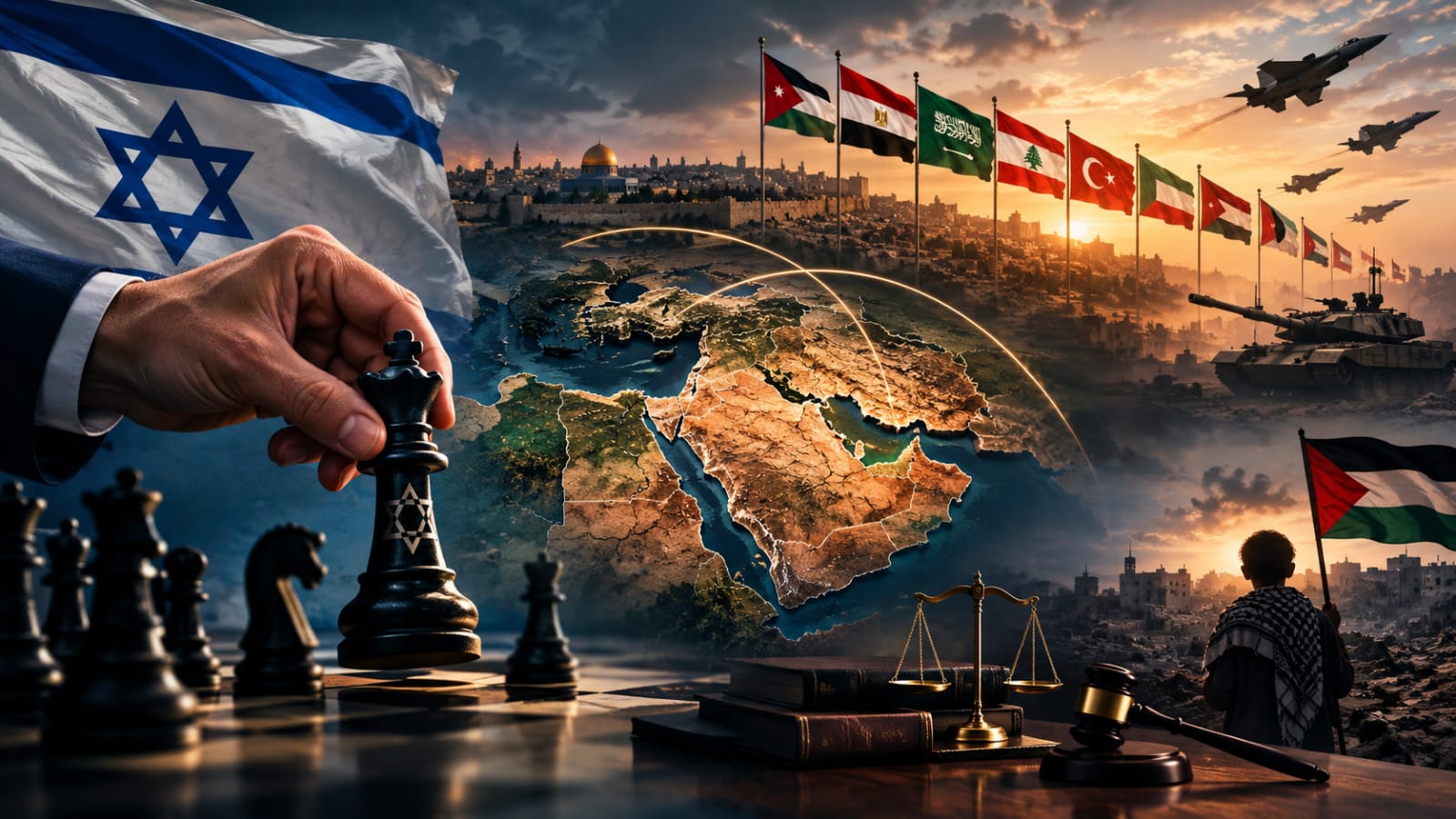
However, one factor must not be overlooked when analyzing these possibilities: the Israeli role, specifically Benjamin Netanyahu's calculations. For the Israeli prime minister, the issue is not merely about weakening Iran's nuclear program, but about reshaping the strategic environment surrounding Israel and eliminating what Tel Aviv considers long-term sources of threat to its security and regional influence. From this perspective, Netanyahu's insistence on keeping the confrontation with Tehran at a high military threshold can be understood, as can his refusal to settle for political understandings or limited strikes that, in his view, would not guarantee a fundamental change in the balance of power.
Netanyahu understands that the United States is the only party capable of providing the military and political cover, as well as the strategic capabilities, required to wage a broad confrontation with Iran. His influence on Washington's calculations therefore cannot be ignored. He seeks to convince the American administration that retreating before achieving Israel's objectives would give Tehran an opportunity to rebuild its capabilities and turn any temporary political agreement into nothing more than a pause before another round of conflict. Herein lies the danger of Israeli calculations becoming intertwined with American decision-making: Washington may find itself facing mounting Israeli demands to expand operations whenever military results fall short.
Netanyahu does not necessarily have to have called for the use of nuclear weapons for his role to become influential in this scenario. Pressing for a comprehensive military decision, raising the threshold of objectives, and narrowing the space for political settlement are all factors that could place the American administration before more dangerous options. In other words, the danger may not lie in Israel directly pushing Washington to use nuclear weapons, but rather in driving it toward an escalatory trajectory in which less dangerous political and military alternatives gradually diminish.
As for Trump, his calculations add another dimension to this equation. He is a president who has made the rhetoric of strength and the ability to impose one's will a central component of his political image, and who is keen to portray any confrontation he engages in as a test of American prestige. A faltering war could therefore place him before a political dilemma, particularly if American casualties increase, domestic pressure intensifies, and military strikes fail to achieve their declared objectives. Under such circumstances, preserving the image of victory may become an influential factor in decision-making, alongside strategic and military calculations.
Three principal determinants of the prospects for escalation therefore emerge. The first is the inability to guarantee the destruction of Iran's heavily fortified facilities through conventional means. The second is the possibility that the confrontation could expand and extend to American and Israeli interests across the region, thereby increasing the political and military costs of retreat. The third is the convergence of Israeli pressure with American domestic calculations, which could make continuing or expanding the war an option considered by certain decision-making circles.
Yet the most dangerous aspect of the issue concerns not only what might happen to Iran, but what the use of nuclear weapons could mean for the Gulf region. Nuclear weapons, even when described as tactical or limited, cannot be treated as conventional bombs with greater destructive power, because their radiological and environmental effects may extend beyond the targeted site and leave prolonged consequences for people, places, and economies.
Perhaps the danger that deserves particular attention concerns water resources in the Gulf. The region relies heavily on desalinated seawater to meet its population's needs, and any widespread radioactive contamination could threaten desalination plants, water sources, and the marine environment, depending on the location of the strike, the nature of the radioactive materials, and their dispersion. The movement of contaminants through air or water could also make the consequences of the catastrophe transboundary, exposing millions of people to health and environmental risks that would be difficult to contain. The problem would no longer be Iran's alone, but a regional crisis affecting the water, food, and health security of all Gulf states.
From another perspective, the use of nuclear weapons could open the door to an unprecedented regional arms race, place the nuclear non-proliferation regime before a serious test, and provide international powers with additional grounds to reconsider their defense and strategic policies. Moreover, a precedent for the use of nuclear weapons after Hiroshima and Nagasaki would not merely constitute another military event, but a historical transformation in the rules governing international conflict, the consequences of which could prove difficult to contain.
In my assessment, reading these warnings requires distinguishing between three levels: the existence of a media and political debate over the nuclear option; the existence of pressures pushing toward escalation; and the actual decision to use nuclear weapons. These are distinct levels that must not be conflated or treated as one and the same. There is insufficient evidence to conclude that Washington has made such a decision, but the absence of a decision does not mean that the risks of escalation should be ignored.
The real dilemma lies in the fact that Netanyahu wants a strategic transformation in Iran's position within the region, Trump wants to emerge from the confrontation appearing victorious, while the Gulf states may find themselves at the center of a catastrophe in whose making they played no part. The question then becomes: who will bear responsibility for the consequences if a military gamble turns into a nuclear and environmental catastrophe extending beyond the borders of the warring parties?
The region does not need another war that redraws maps of influence over the ruins of cities, water resources, and people's lives. Nor should the political calculations of wartime leaders become a justification for gambling with the fate of entire generations. History does not forgive those who open the doors to major catastrophes, and no military victory, regardless of its magnitude, can justify turning the Gulf into a region threatened by radioactive contamination.
The question is no longer simply: Can Trump defeat Iran? It is also whether he can prevent Netanyahu from turning Israel's strategic objectives into an open-ended American gamble that could end with the entire region being set ablaze.
This is the essence of the danger that Arab capitals must recognize before they find themselves facing the consequences of a war whose outcome they did not help determine, yet for which they will be among the parties paying the heaviest price.