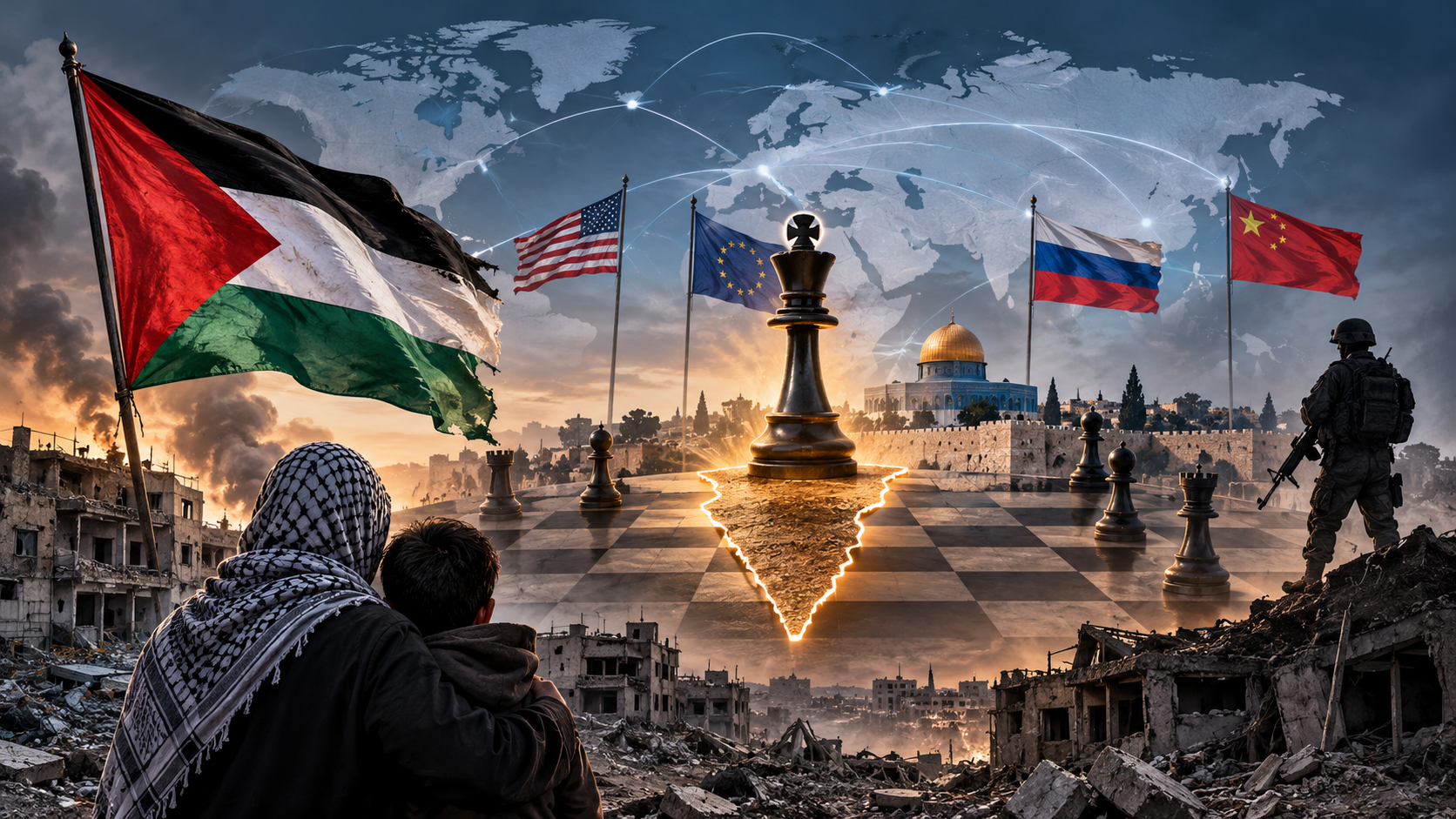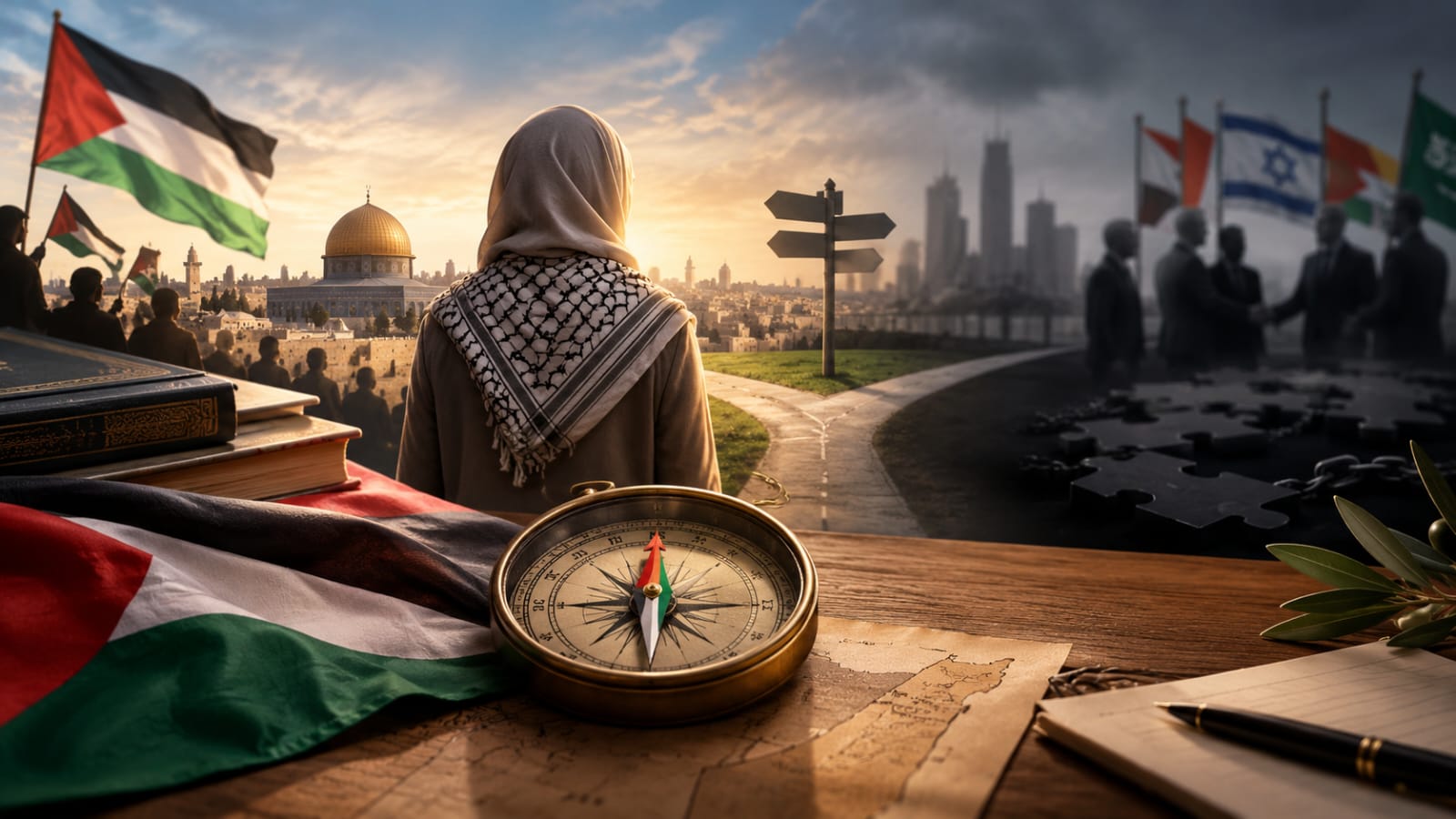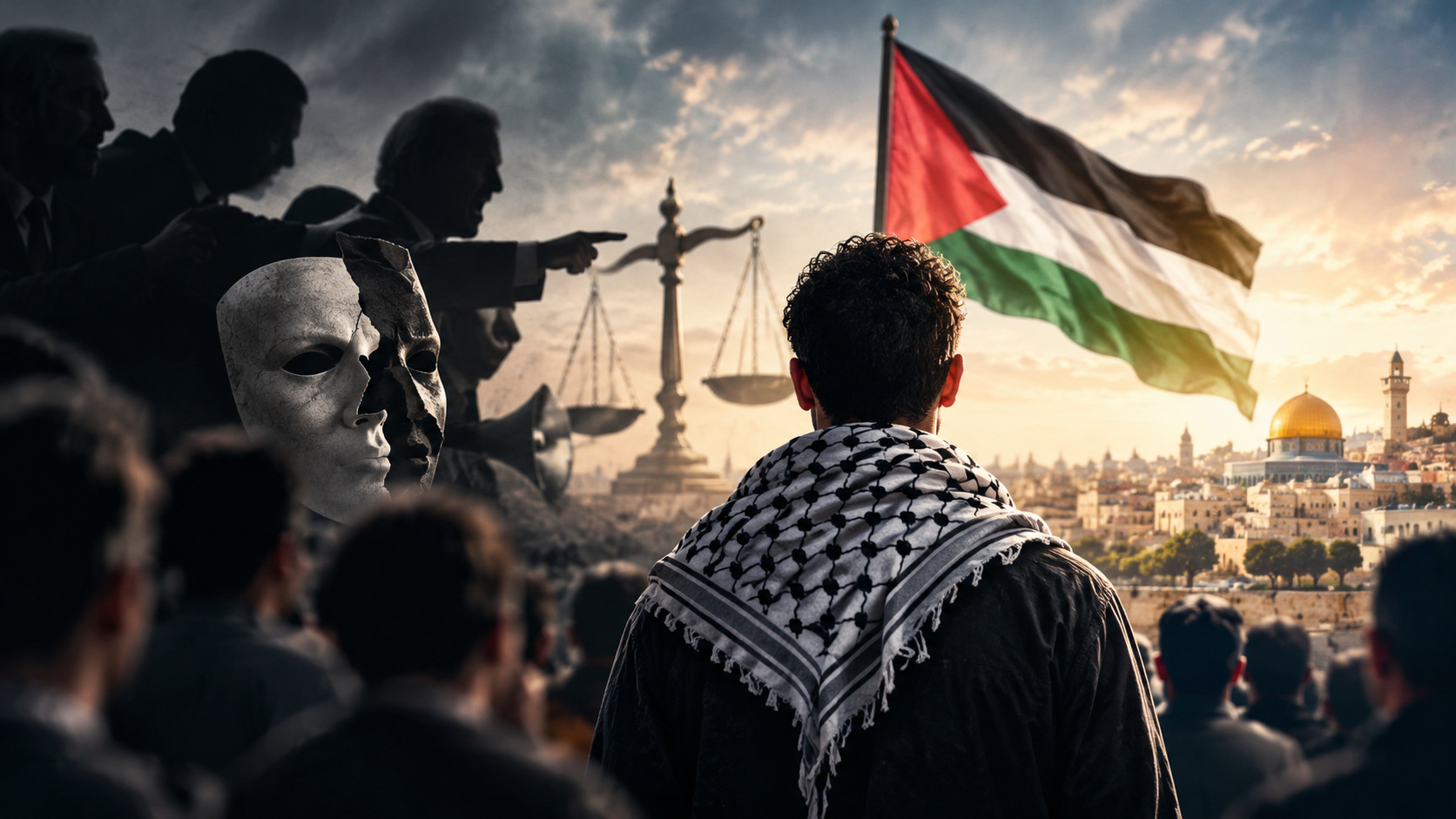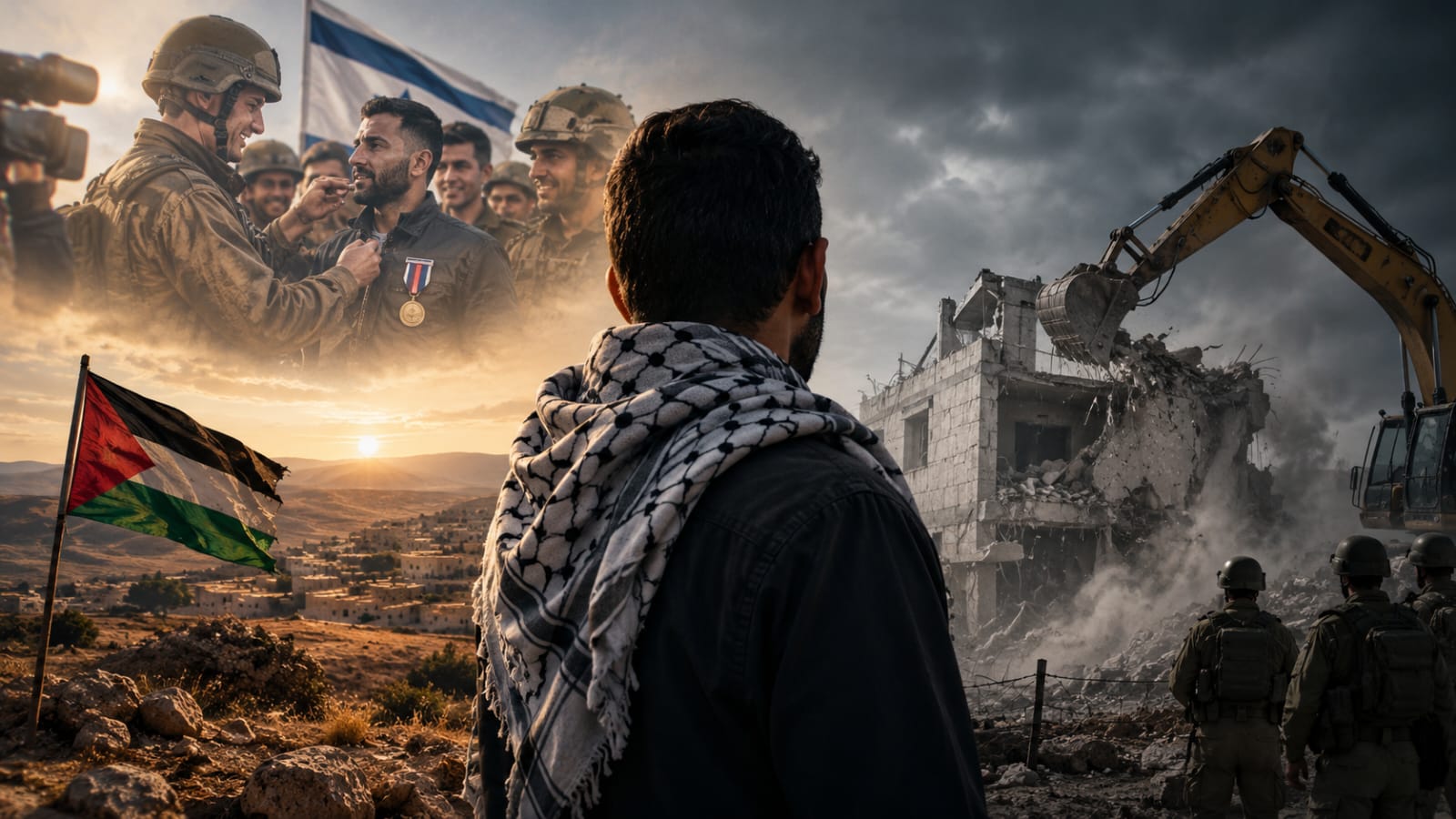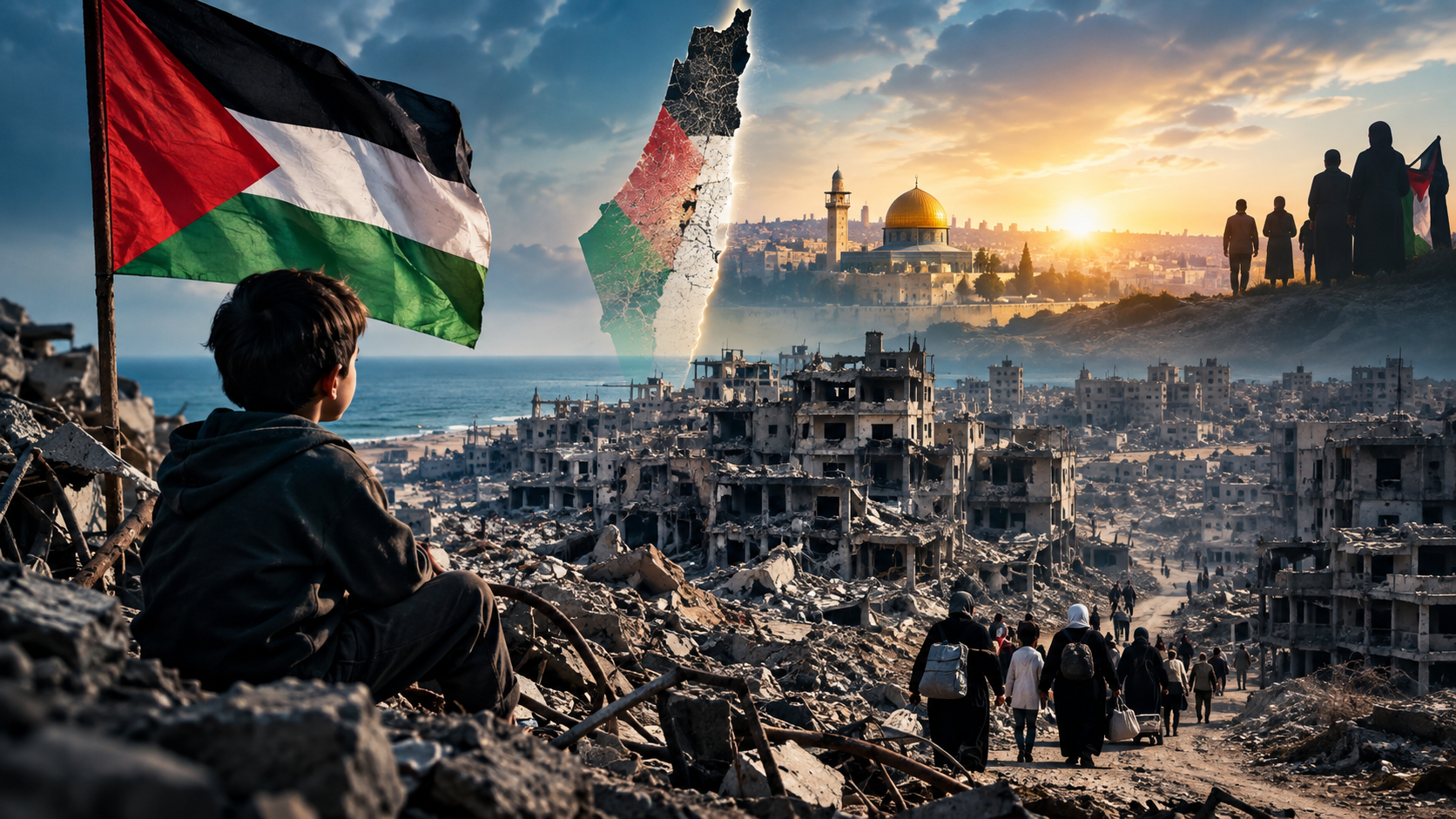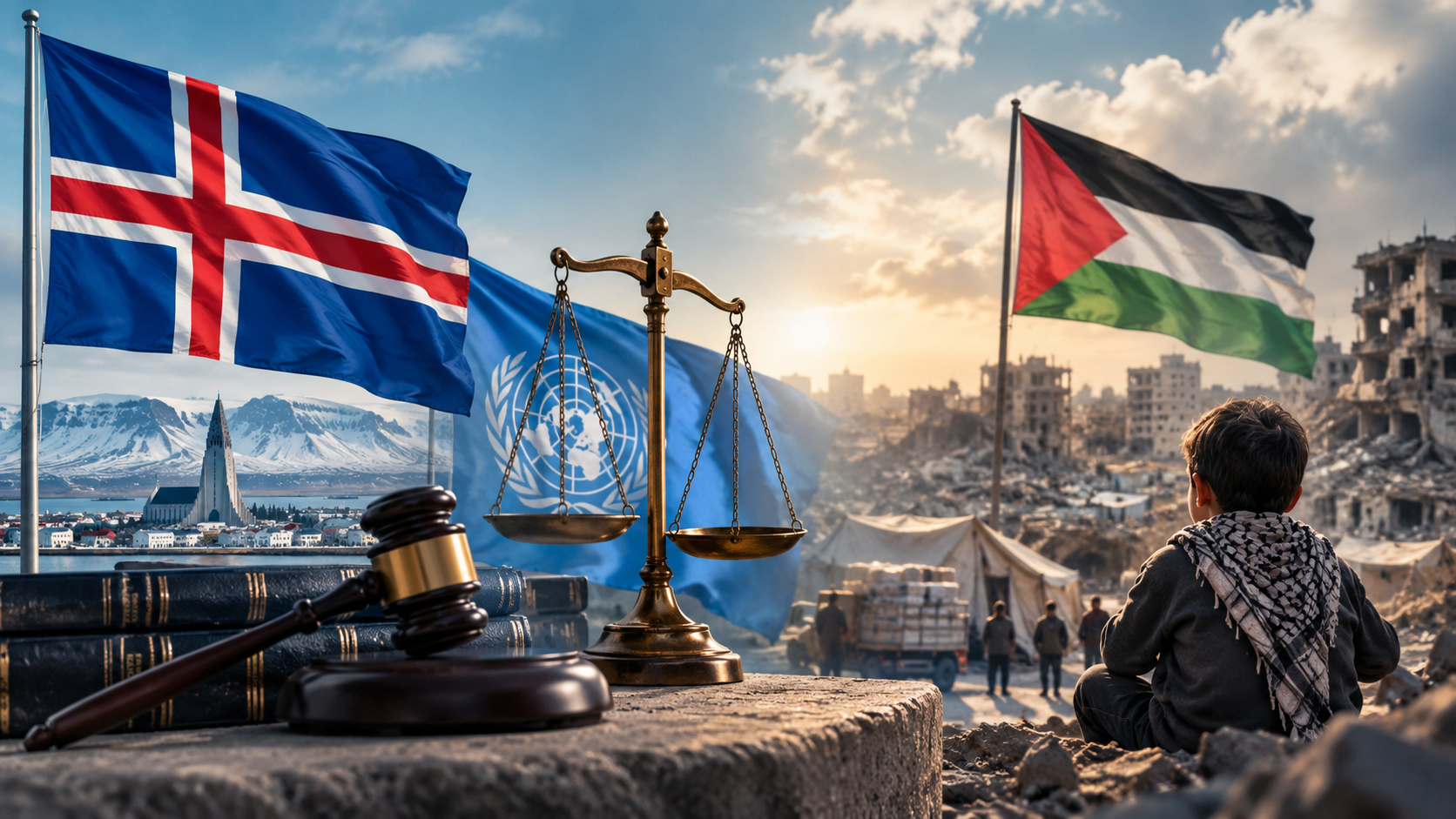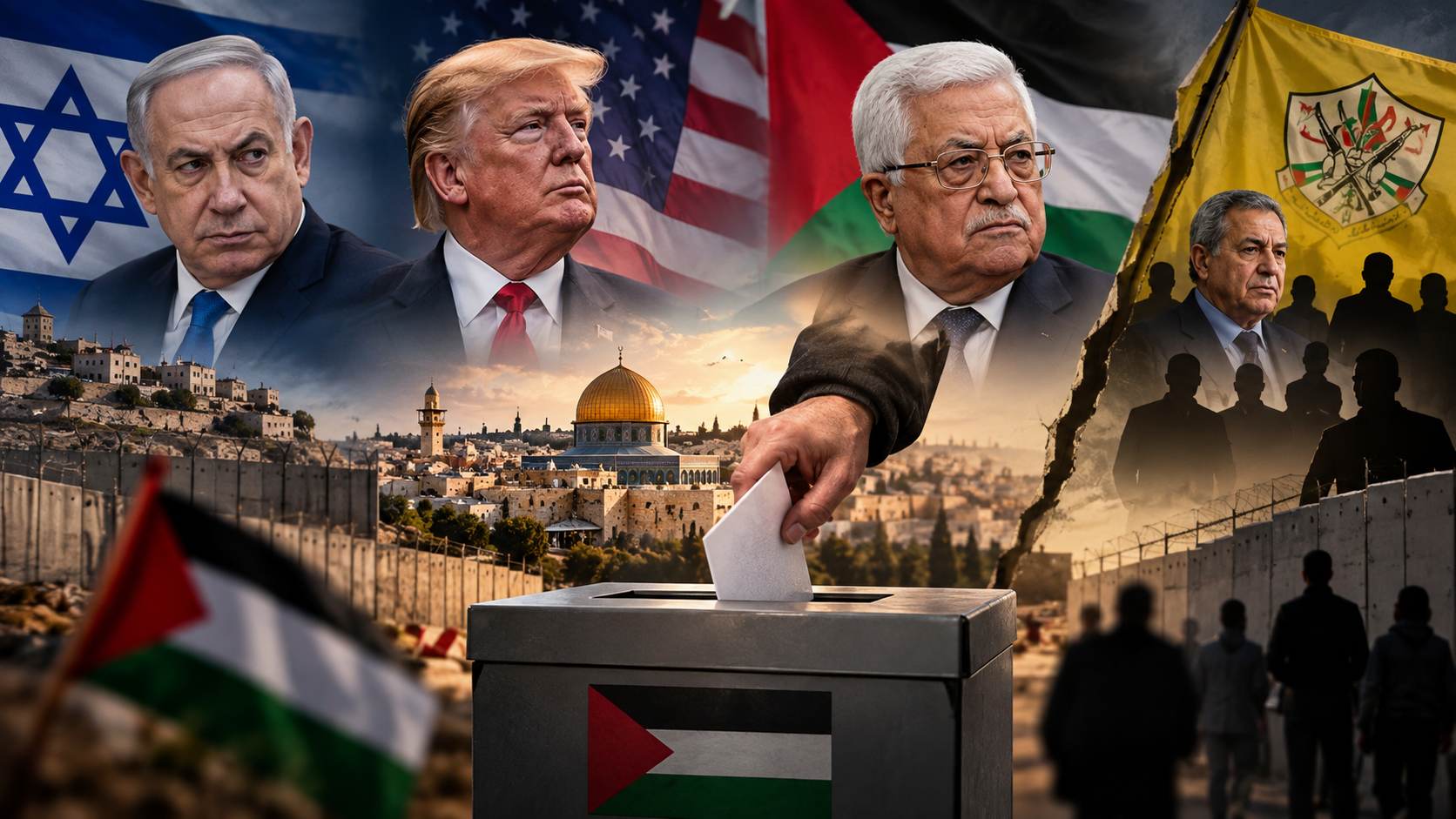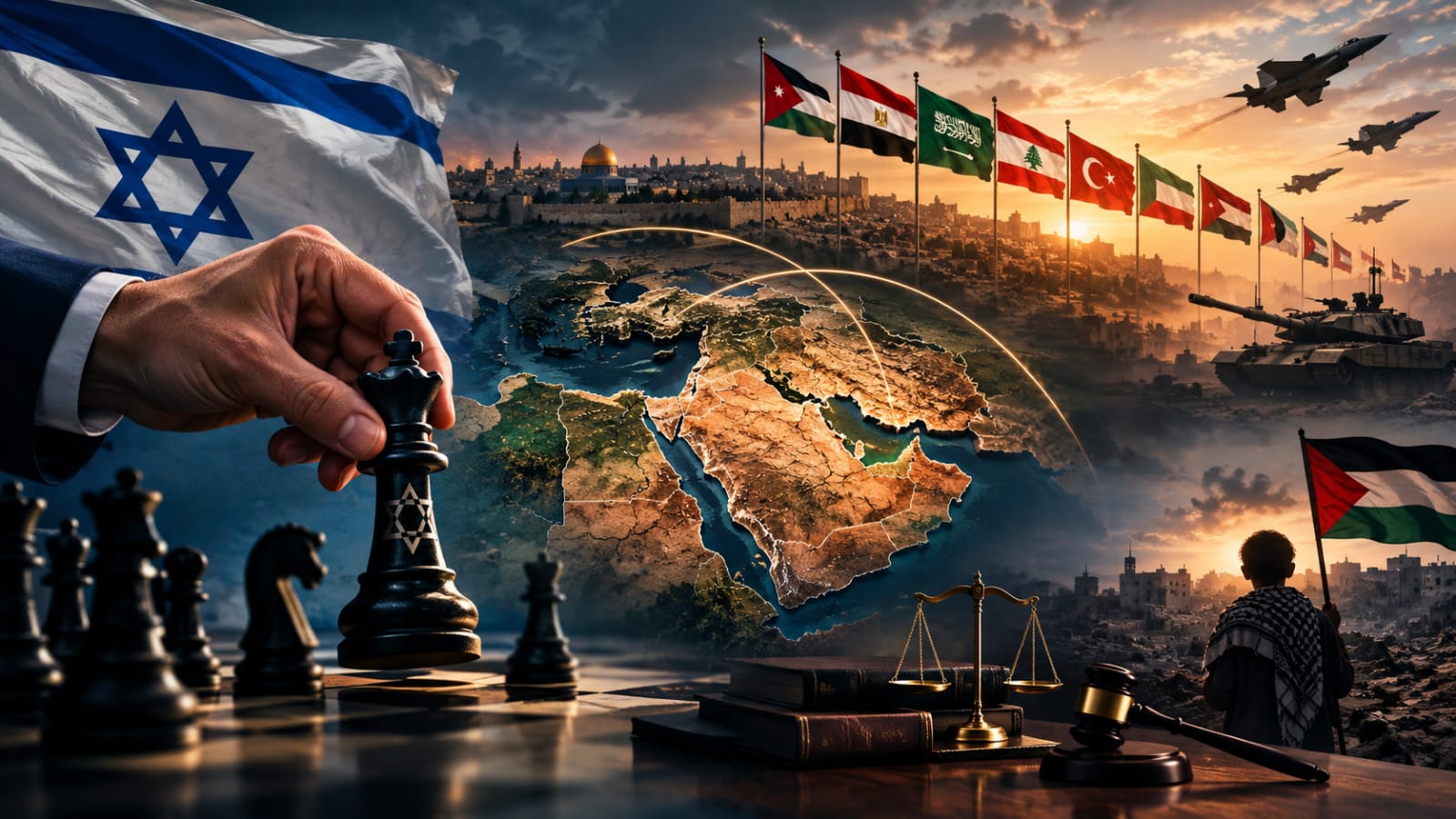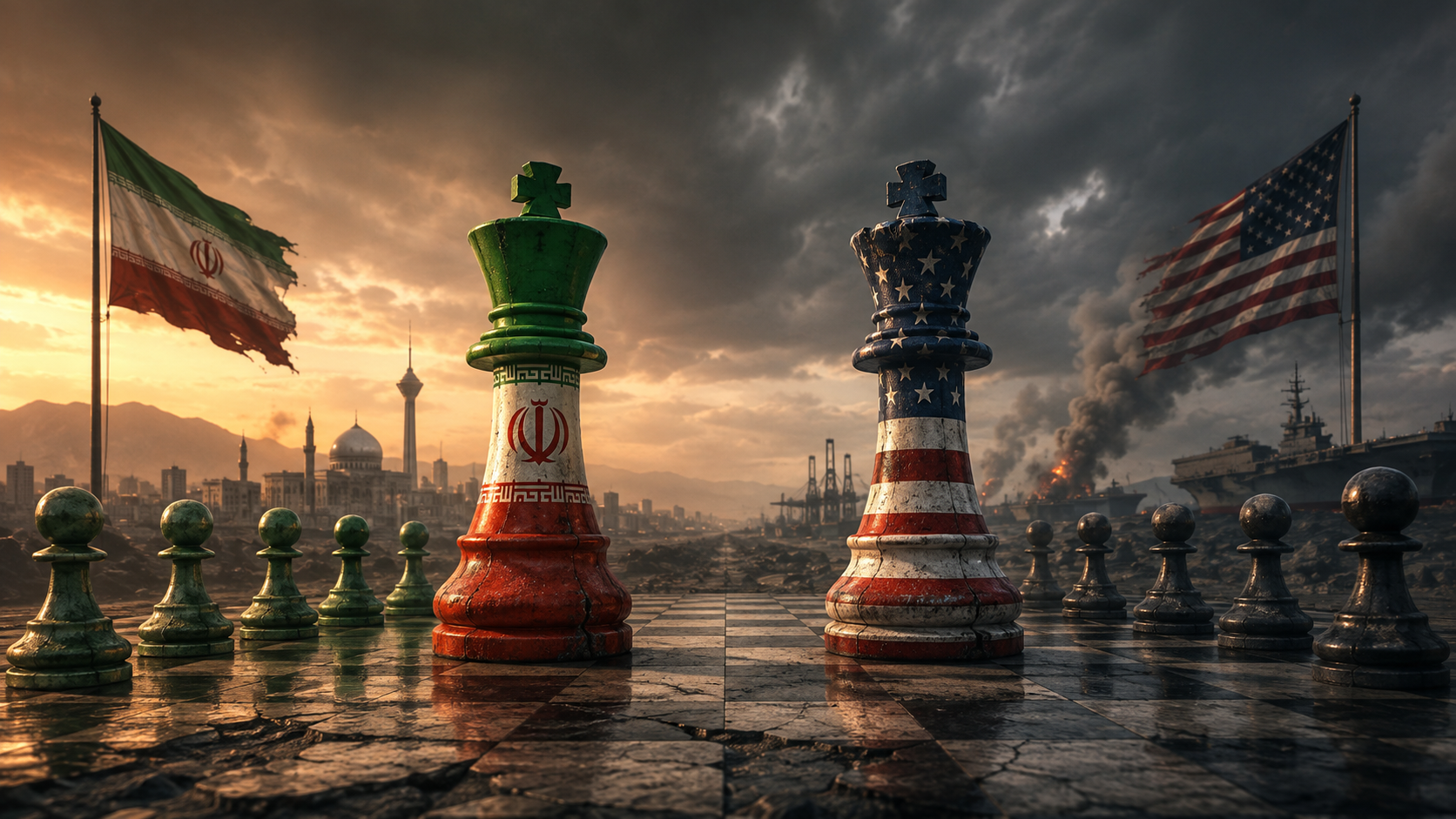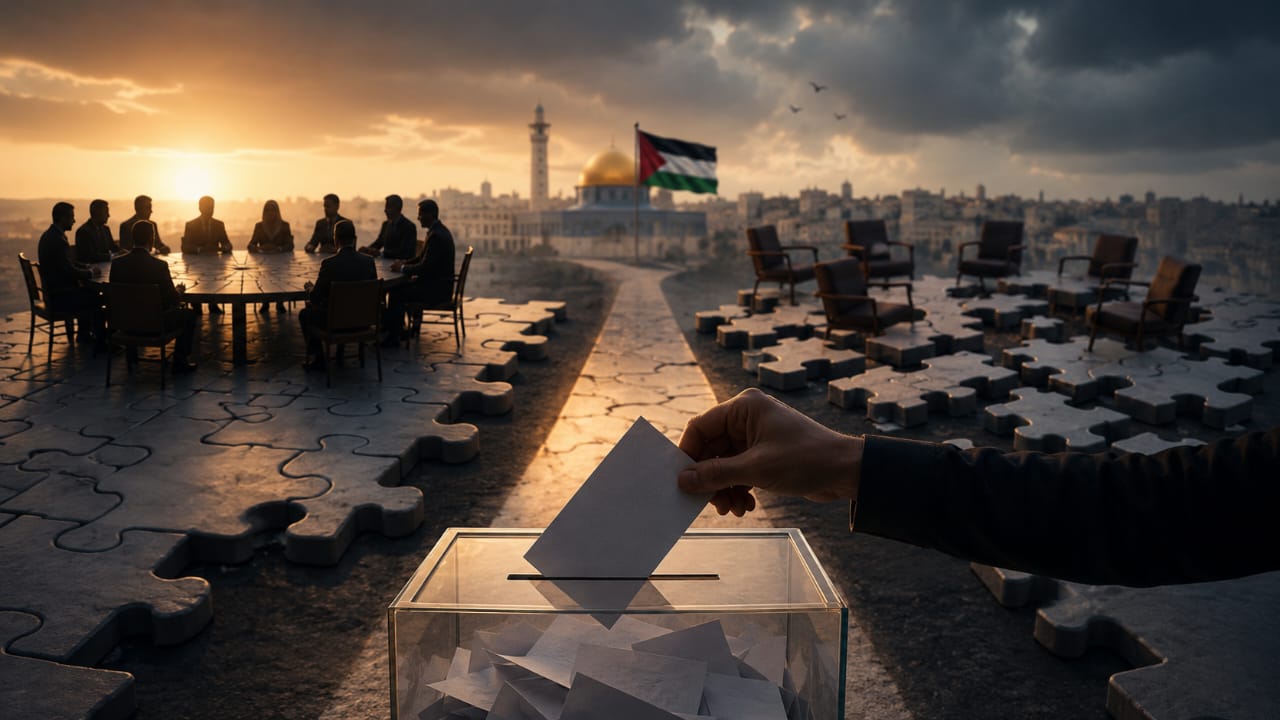
Not everything that bears the name of peace brings peace, and not every council that speaks in the name of humanity deserves to be granted the status of mediator or sponsor. There is a vast moral and political distance between a council that is supposed to act to end the tragedy and one that confines itself to issuing statements and recycling dictates, while the tragedy on the ground continues to deepen, leaving more than two million Palestinians to confront the siege, starvation, cold, floods, and the collapse of the basic necessities of life.
After 396 days of suffering, the question concerning what the so-called “Board of Peace” has to say becomes unavoidable: Where is the intervention to end the Zionist siege? Where is the pressure to open the crossings and ensure the flow of humanitarian aid? And where are the practical steps to shelter the displaced and rescue the population from a humanitarian reality in which tents have turned into death traps, and mud has become a daily extension of a tragedy that finds no path towards resolution?
What is even more dangerous is that, rather than making the end of the humanitarian catastrophe the starting point for any political process, the Board once again presents conditions and dictates to the victim, as though Gaza must pay the price for its own survival, and the suffering of its people must be turned into a pressure card to extract political concessions. Here, diplomacy becomes a tool for managing the siege, reshaping the landscape according to the balance of power, and giving international inaction a more polished language.
The most dangerous thing institutions cloaked in the name of peace can do is not merely fail to end the war, but to normalize its consequences, reproduce its conditions, and grant the crime additional time under the umbrella of statements and negotiations. Gaza does not need another board to enumerate the conditions for its survival; it needs a political will capable of removing the causes of death.
A Board Present in Rhetoric but Absent in Action
The experience of the so-called “Board of Peace” reveals a glaring political contradiction between the name under which it operates and the function it performs. After 396 days of suffering, Gaza is still waiting for action commensurate with the scale of the catastrophe, while the Board appears preoccupied with producing statements and reformulating positions, without translating its political presence into genuine pressure that would end the siege, ensure the flow of humanitarian aid, or secure civilians’ right to protection.
The problem is not a lack of information about what is happening in Gaza; the tragedy is documented in sound and image. Nor is it the absence of international appeals. Rather, the problem lies in the absence of the will that transforms knowledge into responsibility, and responsibility into action.
Here, “paper diplomacy” becomes evident: the language of statements expands as their impact on the ground diminishes. Declarations become a substitute for intervention, and meetings become a substitute for accountability. A council that possesses political standing and claims to work for peace, yet fails to exert genuine pressure on the party imposing the siege, is not merely facing a crisis of performance; it is facing a crisis of function and credibility. For peace that does not come close to the suffering of those under siege remains nothing more than a label for political consumption.
Gaza Under a Compound Siege... When Starvation and Shelter Become Instruments of Subjugation
In Gaza, the siege is no longer merely the closure of crossings or the restriction of humanitarian aid. It has become an integrated system of livelihood strangulation, in which food and medicine shortages intersect with the destruction of homes, the absence of shelter, and the collapse of essential services.
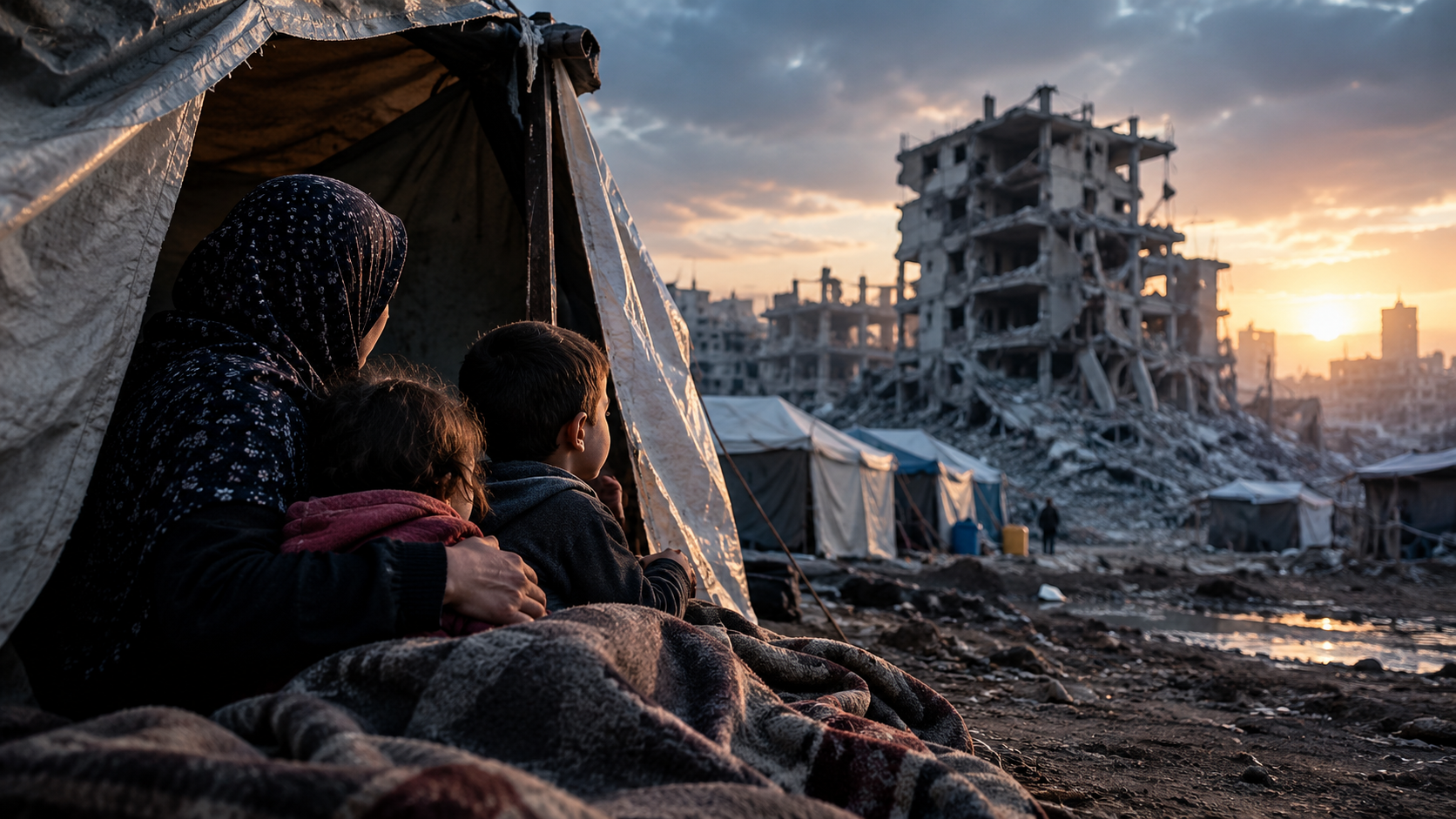
More than two million people are confronting a reality in which even the most basic necessities of life are steadily diminishing, while tents, which are supposed to provide temporary refuge, have become exposed spaces at the mercy of cold, rain, and floods.
The sight of Gazans attempting to salvage their belongings from the mud is a concentrated image of the international system’s inability to provide even the minimum level of protection for civilians.
This reality can be described as the “engineering of humanitarian suffocation,” whereby the population is gradually pushed to the brink of being unable to carry on, until obtaining food, water, and shelter becomes a daily struggle.
What makes this tragedy even more painful is that it is unfolding before institutions that possess the reports, mechanisms, and capacity to act. Nevertheless, the Board continues to treat the catastrophe as a file that can be managed and postponed, rather than as an emergency requiring immediate intervention.
How, then, can peace be discussed while people are left to struggle against mud, hunger, and cold in search of their right to survive?
Reversing the Equation of Responsibility... Why Is the Victim Pursued with Conditions While the Occupation Is Exempted from Its Obligations?
The danger of the positions adopted by the “Board of Peace” goes beyond its failure to intervene. It extends to something even more problematic when the crisis is reformulated according to a logic that places the burden of overcoming it on the victim, rather than directing pressure towards the occupation as the party responsible for the siege and the restrictions imposed on the population’s lives.
Instead of prioritizing an end to starvation, opening the crossings, and ensuring relief and shelter, political conditions and dictates once again take centre stage, as though Gaza is required to make further concessions before it can deserve to survive.
Here, a distorted equation takes shape, one that can be described as the “blackmail of survival,” whereby the right to food, shelter, and security is transformed from a fundamental human and legal entitlement into a bargaining chip. The besieged population is made responsible for proving its entitlement to life according to conditions imposed by the stronger party.
The most dangerous aspect of this logic is the rearrangement of responsibilities. The occupation, which imposes the restrictions, is not subjected to sufficient pressure and accountability, while demands are directed towards the besieged population, which is expected to adapt to the consequences of aggression and the siege.
This represents a reproduction of the imbalance of power within the political process itself. Peace does not begin by subjugating the victim, nor are just settlements built by turning fundamental rights into political prices that besieged people are required to pay.
Testing the Moral and Political Legitimacy of the Board of Peace
The question confronting the “Board of Peace” is no longer whether it can issue another statement or announce an additional initiative. Rather, it concerns whether it possesses a genuine will to move beyond the position of a spectator and assume the role of an actor.
The political legitimacy of any board claiming to sponsor peace is not derived from its name, the nature of its composition, or the extent of international coverage it receives. Rather, it derives from its ability to protect people, stop violations, and hold the parties to their responsibilities.
As for merely managing the repercussions of the siege while reproducing its political conditions, this leads to the “legitimization of impotence”: transforming failure to protect civilians into an acceptable reality and giving the continuation of the tragedy a diplomatic appearance.
What is required now are measurable steps: opening the crossings, ensuring the flow of humanitarian relief, securing shelter, protecting civilians, and exerting genuine pressure to end the siege and hold those responsible for violations accountable.
Gaza does not need a board that negotiates the conditions of its survival, nor does it need political tutelage that speaks in the name of saving it while ignoring the causes of its tragedy. What it needs is a peace that restores people's right to life and dignity, not a peace in which the siege is rearranged in more diplomatic language.
History does not hold institutions accountable for the names they choose for themselves, but for what they did when people were waiting for them to act.
Gaza does not need a board that excels at drafting statements while remaining incapable of rescuing a child from the mud. Nor does it need a peace tailored to the occupation’s specifications and imposed on the victim under the weight of hunger and siege.
A board that negotiates with the besieged over the conditions of their survival, while failing to exert pressure on those besieging them, does not make peace; it participates in reproducing the tragedy.
Do not call the management of the siege peace, and do not grant impotence the status of mediation. History will not ask what you wrote in your statements; it will ask what you did when Gaza was being slaughtered and crying out for help.